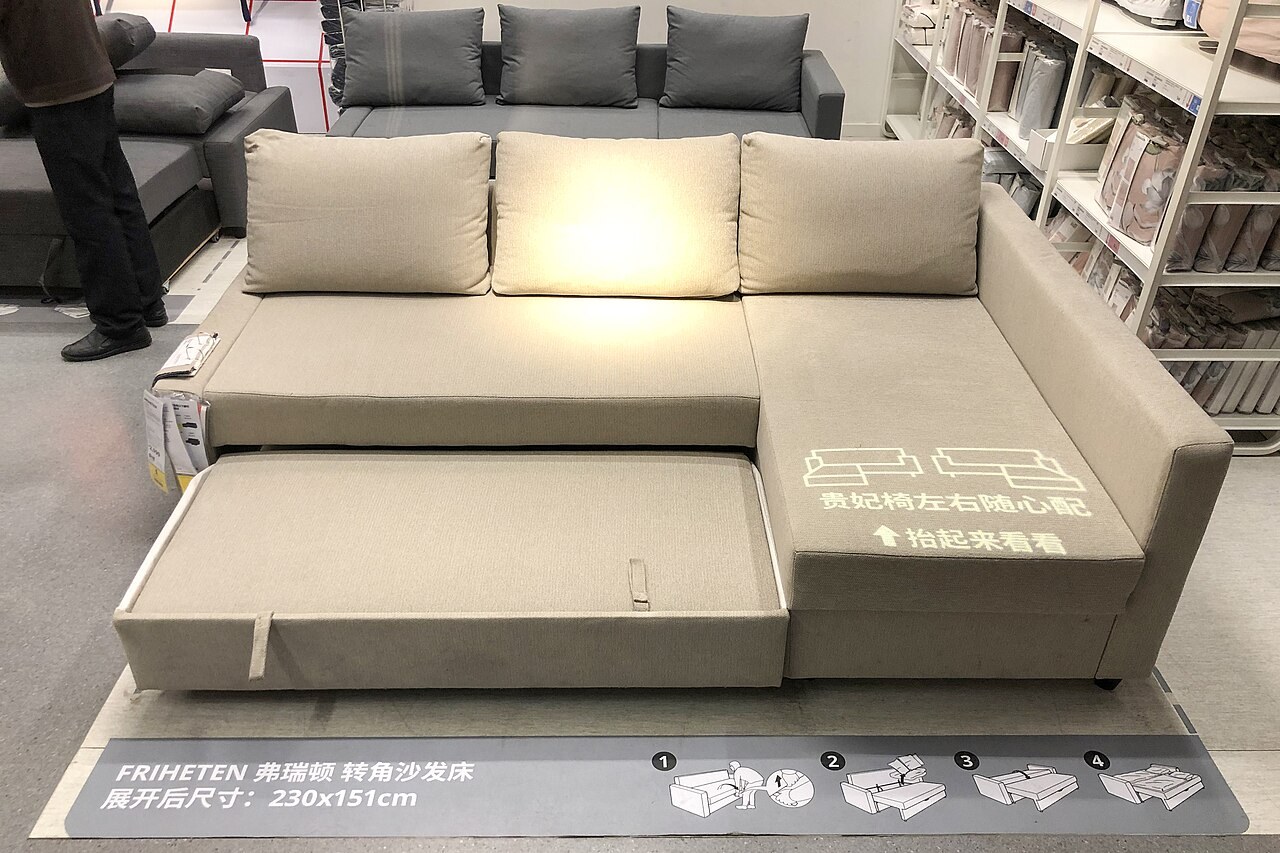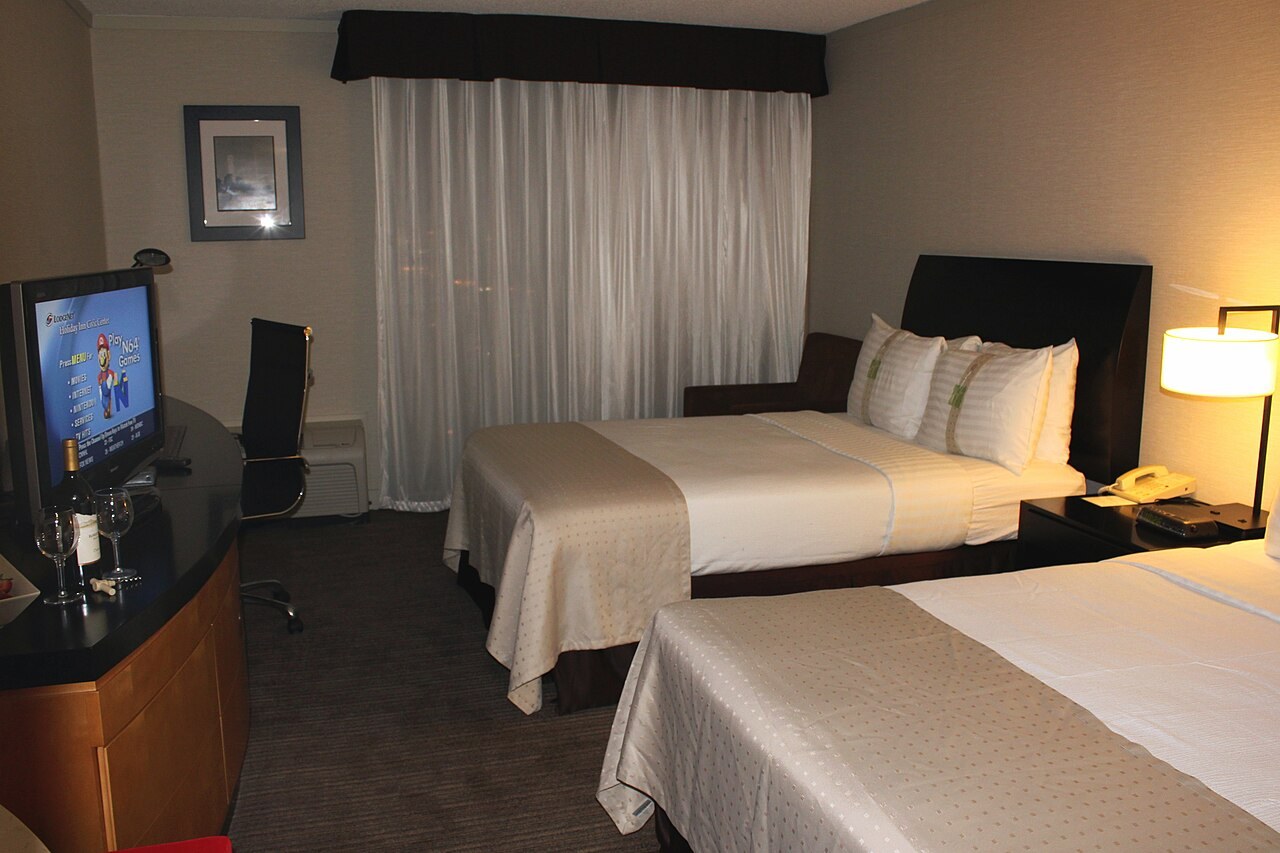
Accommodation for six does not necessarily provide three equivalent bedrooms. Examine each sleeping place before the group commits. For adults with different sleeping hours or children who go to bed early, the arrangement can matter more than the advertised maximum number of guests.
Assign every sleeping place
Record the number, sleeping dimensions and bed type for each room. A double bed may have one shared mattress or two separate ones. Ask whether single beds can move and whether separate duvets are provided. A description such as family room leaves open whether the additional space is a bunk bed or pull-out bed.
Consider access and night-time journeys
Bedrooms arranged one behind another may require someone to cross an occupied room. Check the route to the bathroom too: stairs, limited lighting or a door immediately beside a bed can disturb sleep. For sloping ceilings, an eye-level photograph helps show usable standing space next to the sleeping surface.
Agree the arrangement with the group
Allocate the confirmed beds before booking rather than negotiating on arrival. Give light sleepers a realistic place to retreat. Luggage also requires room; floor space shown in a photograph may disappear when a travel cot is added. A property can consequently feel more comfortable below its nominal maximum occupancy.
Common questions
Does a sofa bed count as a bedroom?
It is a sleeping place, but not automatically a separate room. Read the description alongside the floor plan.
Which measurements should I request?
Ask for the usable sleeping surface and clear access beside the bed, especially for tall guests or anyone with limited mobility.