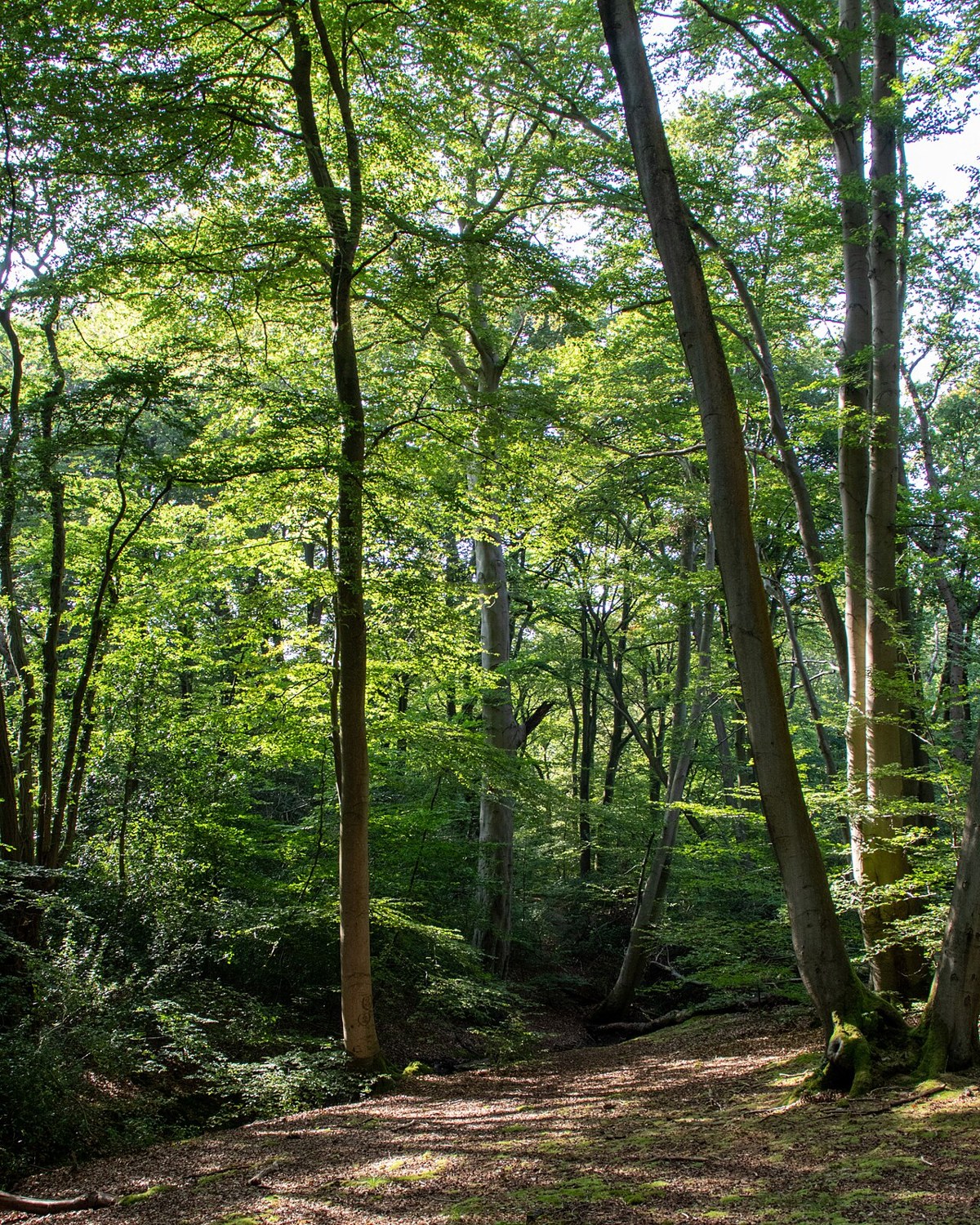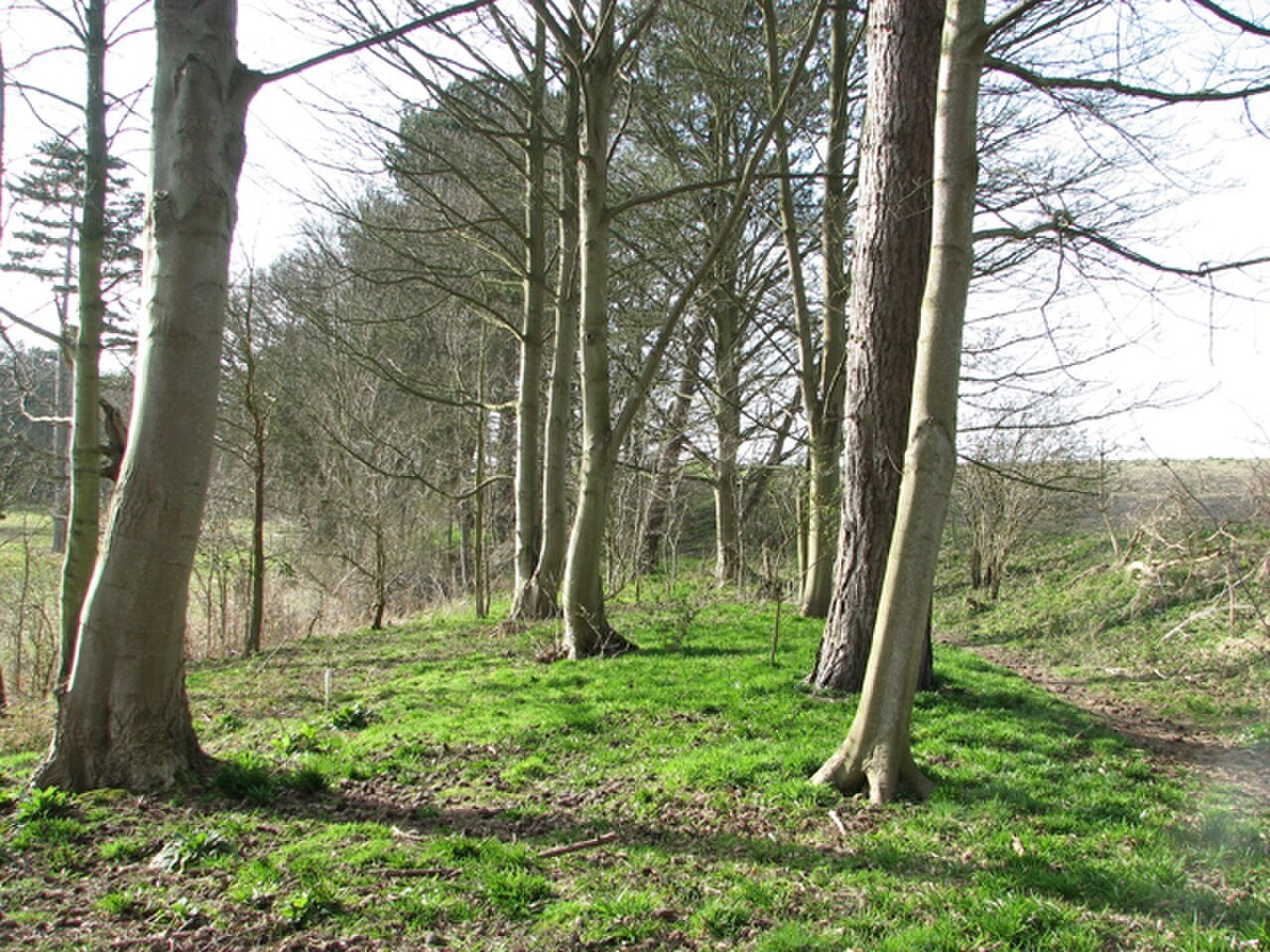
Barnim woodland offers opportunities to examine trees more closely. Distinguishing needle-shaped leaves from broad leaves is a useful beginning. It does not provide a reliable species identification alone, but makes differences visible. Observe the whole tree and what you can see from the designated path.
Leaves are a beginning
Needles are leaves too, with a different shape. Compare their arrangement on a twig with broad leaf shapes. A pine looks different from a tree with lobed leaves. Describing that difference is enough for a family discussion; nobody needs a correct name immediately.
The crown and bark provide more clues. Both change with age, location and season. A young tree may look unlike an older example of the same species. Do not rely on a single identification-app photograph.
Use simple rules carefully
Many broadleaved trees lose their leaves in autumn, while many conifers retain needles through winter. Neither observation is a rule without exceptions. Larch is a familiar conifer that sheds its needles in autumn.
Check whether the clue belongs to the tree you are examining. A cone on the ground may come from a neighbouring tree. In mixed woodland, uncertainty is a good reason to look upwards together and reconsider.
Make a comparison sketch
Draw two trees with three features each: leaf shape, arrangement along a twig and overall crown. This creates a personal reminder without removing woodland material. Leave plants, shoots and branches untouched.
Consult a field guide later if interest continues. Discussing plants does not require tasting their fruits. Eyes, patience and a question are all the equipment this activity needs.
Common questions
Are all winter-green trees conifers?
No. Winter colour is insufficient. Examine leaves, twigs and other visible features as well.
Must children memorise species names?
No. Comparing and describing are discoveries themselves. Names can follow later if the children are interested.