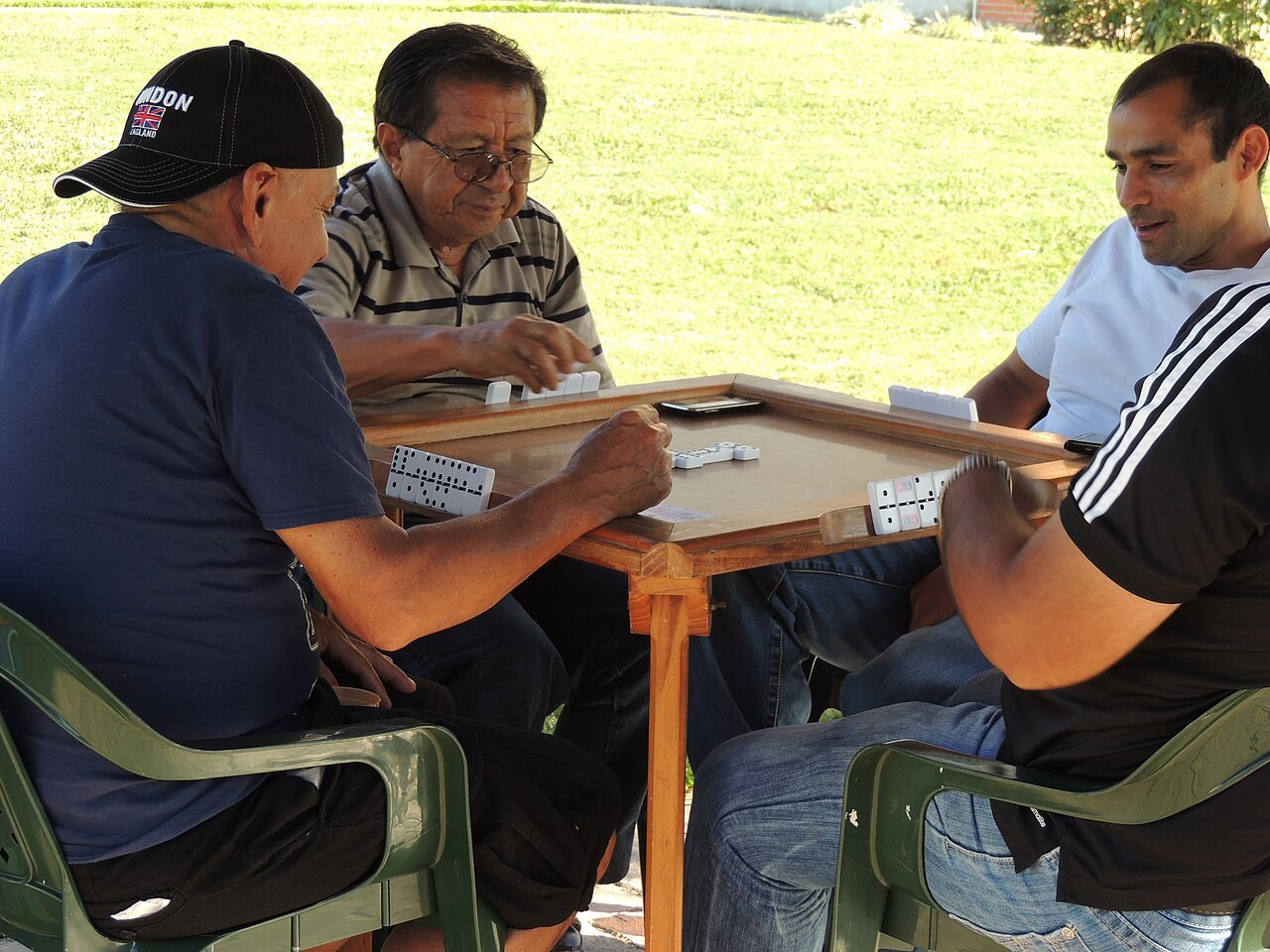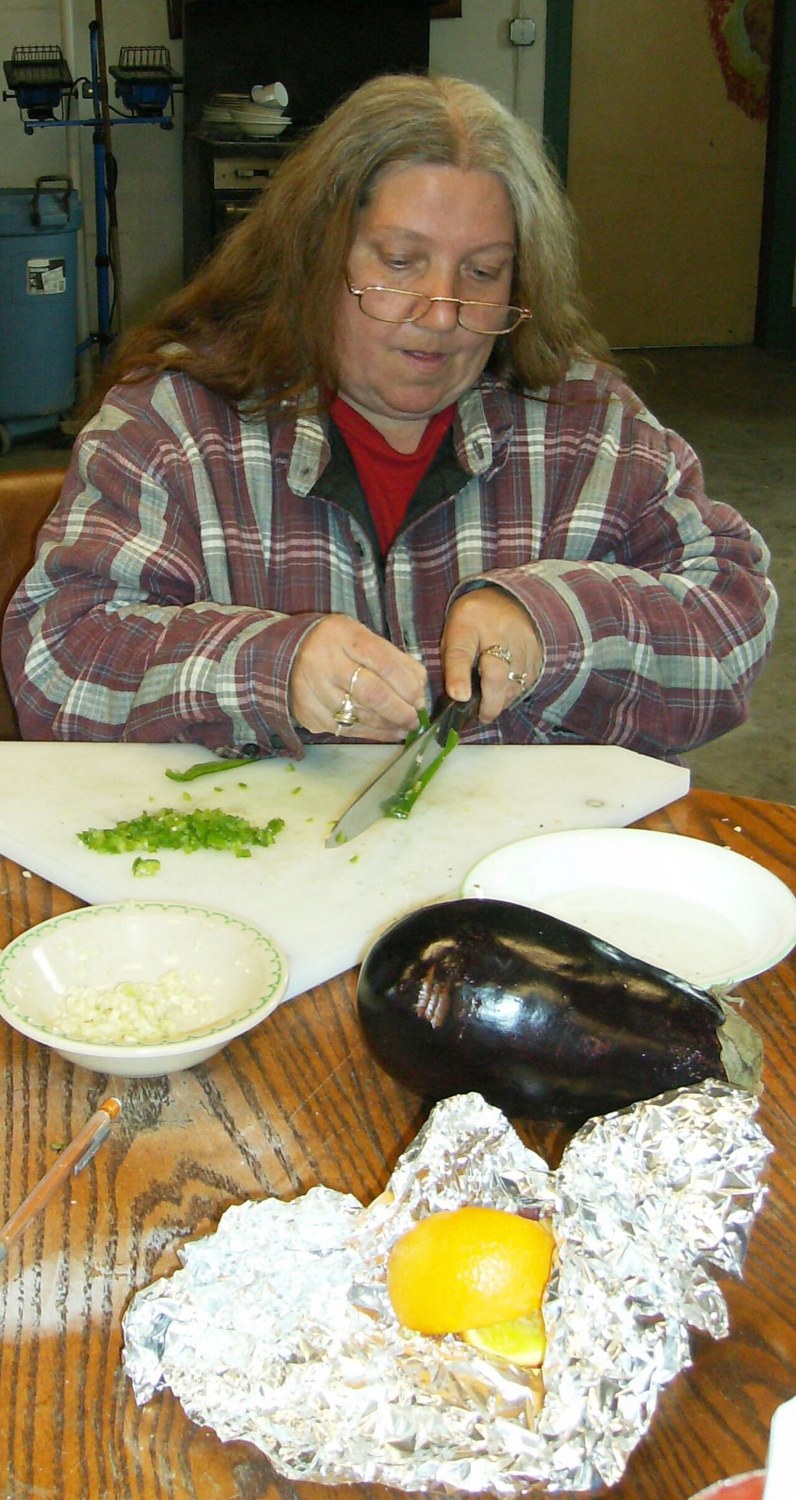
Cooking together sounds simple until four people want the same narrow worktop. An unfamiliar kitchen also lacks familiar routines. Start by checking space, equipment and ingredients. Then divide the work without putting everyone beside the hob at once.
Create stations instead of congestion
One person washes vegetables, another chops, one watches the hob and someone sets the table. Roles need not be identical, but should fit together. Use the dining table as extra preparation space only if its surface and house rules allow this.
Give shared knives and boards an obvious home. Prepare a suitable place for hot pans. Young children can have an appropriate task away from the hot working area, with suitable adult supervision.
Agree on clean routines
Clean hands, surfaces and utensils as required by the preparation. Raw meat or fish must not become mixed up with ready-to-eat food. The Federal Institute for Risk Assessment’s kitchen hygiene guidance helps establish clear routines even in an unfamiliar space.
Use separate utensils, or clean them thoroughly between relevant stages. A sociable kitchen evening is no reason to ignore packaging instructions or refrigeration. Consider those requirements when choosing the menu.
Share clearing away too
Before eating, agree who will deal with dishes, leftovers and surfaces. The main cook need not automatically clean everything. Small intermediate jobs prevent a pile of used equipment from occupying every available space.
Choose dishes with manageable stages. Cooking together may take longer than cooking alone. If the evening becomes entirely about organisation, a simpler meal reduces effort better than an increasingly strict task list.
Common questions
Must everyone cook at once?
No. Shopping, table setting and clearing away also contribute. Staggered tasks make small kitchens easier to use.
How can different preferences be included?
Prepare a shared base with separate additions when the ingredients and required hygiene allow it.