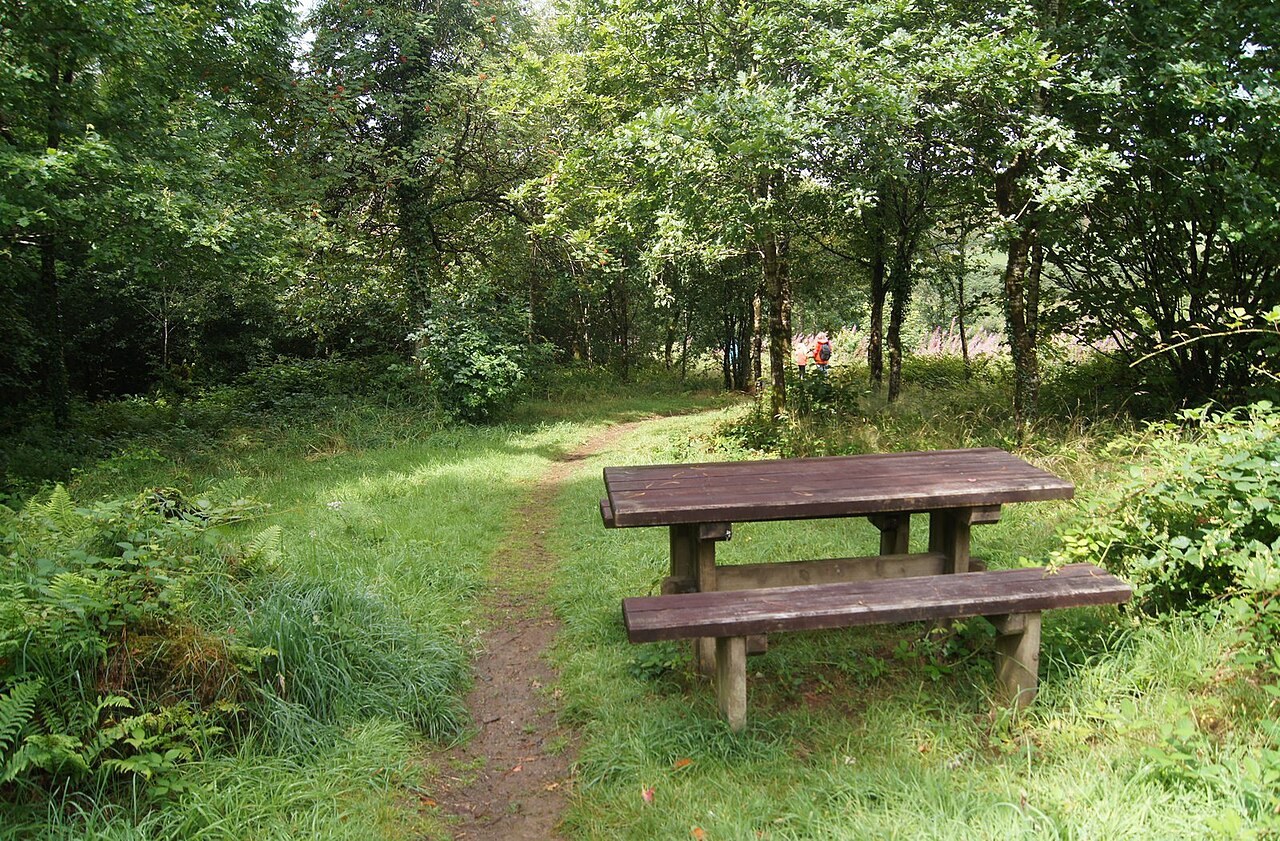
You need not memorise plant names to walk attentively in the Barnim. The nature park describes a varied landscape with different habitats. Which plant grows beside a particular path can only be established through observation at the location. Choose a short section and examine what is visible from the permitted route. An unidentified find can be just as interesting as a confidently recognised species.
Examine a few features carefully
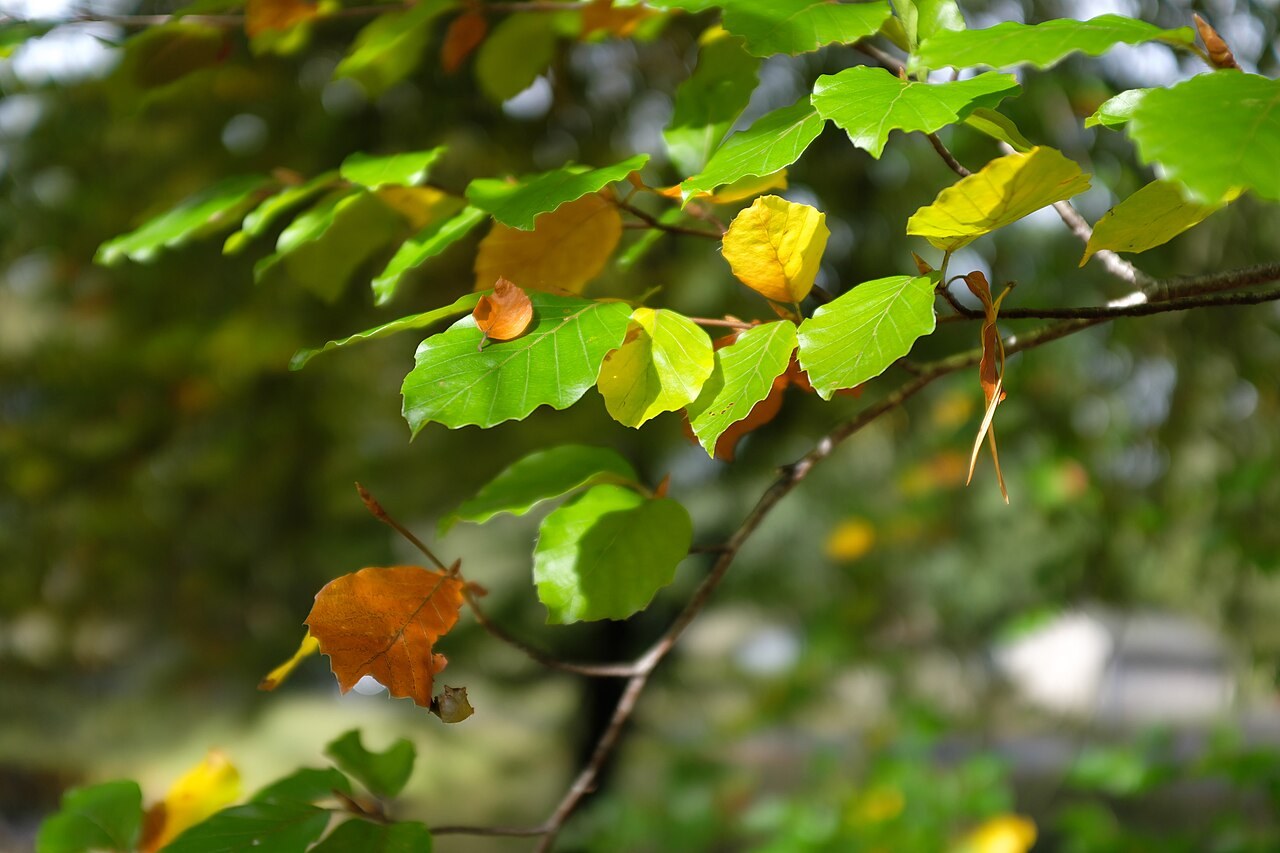
Start with leaf shape and arrangement, the visible growth form and any flowers or fruit. For trees, bark and branching can be considered from an appropriate distance. Compare two nearby visible plants instead of immediately trying to compile the longest possible species list.
Note which features you can actually distinguish and which remain unclear. Identification guidance becomes more useful when your own observation is specific. Write “leaf edge unclear in the photograph” rather than assigning a name merely because it matches a similar picture.
Photograph instead of picking
Photographs from different angles often suffice for later study, provided they are possible from the path. An overall image shows the growth form; a closer view records a clearly visible feature. Do not enter sensitive shoreline vegetation or a closed area to take them.
Leave leaves, flowers and branches where they are. Other visitors will still have something to discover. The nature park visitor code distinguishes protected plants among its collection rules; this observation outing needs no collecting at all. Appearance or an app suggestion also does not establish edibility.
Use the location as a clue
Notice whether the plant visibly stands in shade, beside an open path or near water. These details complement the photographs without requiring you to leave the route or measure the location precisely. They describe an observation, rather than proving a particular species.
Review the images later with a reliable identification resource. If the identification remains uncertain, retain a cautious description. Another visit in a different season may reveal additional visible features; every walk need not produce a finished botanical conclusion.
Common questions
Must I collect an unfamiliar plant to identify it?
No. Photographs and accurate notes may suffice. Leave the plant in place and respect paths and protected areas.
Does an identification app establish that a plant is edible?
No. Treat suggestions at most as a starting point for further research. This outing is for observation, not collecting food.