A garden photograph often shows the most attractive corner while omitting the driveway, neighbouring land or open boundaries. With children or a dog, those details matter more than lawn size. Ask about the entire site and distinguish private use from a genuinely enclosed outdoor area.
Trace the complete boundary
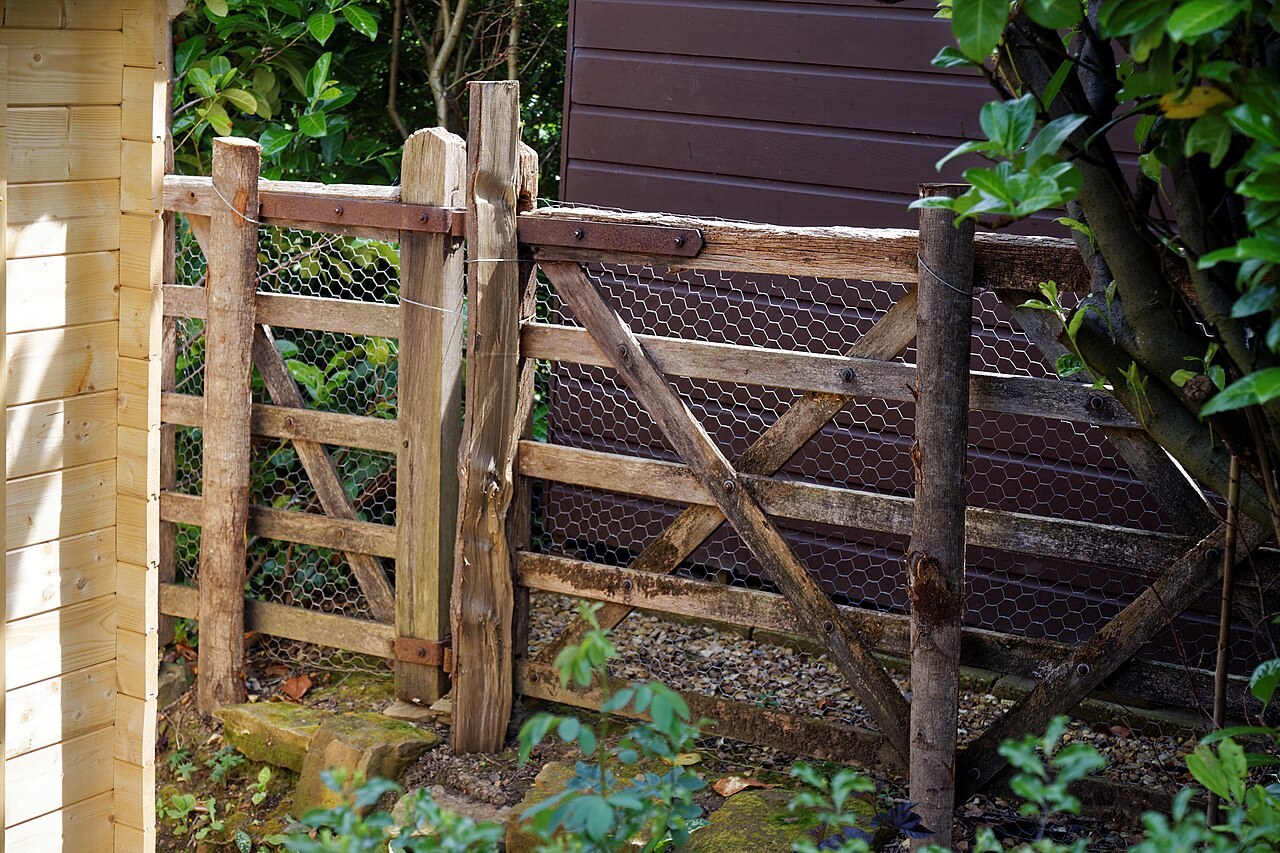
Request a description of every side and the gate. Hedges may contain gaps, while low fences and open driveways serve different purposes. Ask whether anyone else needs to cross the garden. An exclusively used seating area can still border a shared path. One picture of a closed gate cannot establish the full arrangement.
Identify water and changes of level
Establish whether the grounds include a pond, pool, ditch or steep slope. These features may sit outside the photograph. For young children, fencing does not replace appropriate supervision. Choose a clearly visible play area where adults can maintain sight of them. Also ask which outdoor furniture and play equipment are actually included and currently usable.
Match use to the surroundings
Read the house rules on games, balls and evening use. A large lawn is not automatically intended for every activity. Leave gates in the agreed position and keep vehicle access clear. On arrival, inspect the boundaries together before unpacking and allowing children or pets to use the outdoor space.
Common questions
Does a private garden necessarily have a fence?
No. It describes who may use the space, not how its boundaries are constructed.
What helps when photographs are unclear?
A current sketch or series showing the gate, driveway and every side of the grounds.