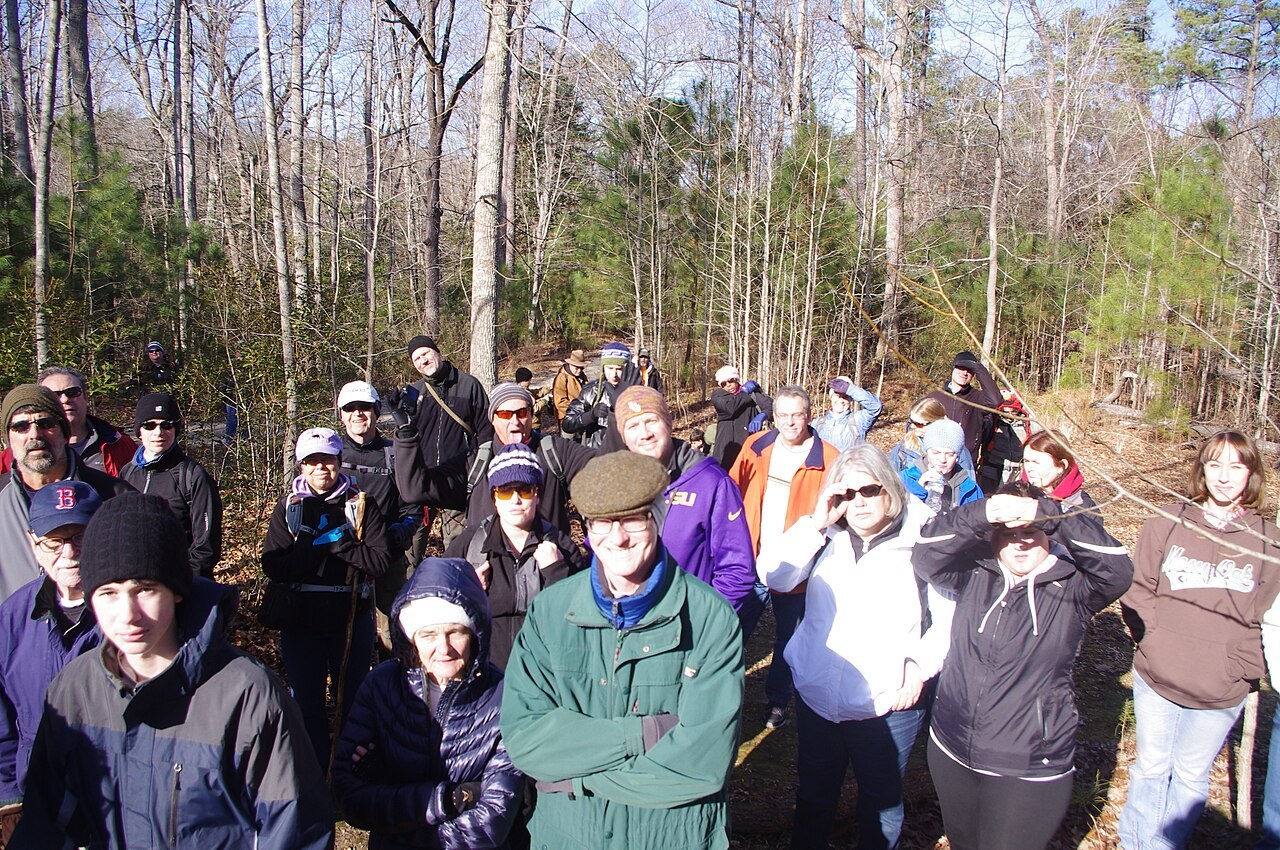
Grandparents have varied holiday interests and walking habits, just like other adults. Ask what they would enjoy instead of judging ability from age alone. Around Wandlitz, a shared outing is easier when pace, pauses and a possible shorter return are discussed beforehand.
Ask the useful questions
Go beyond “How far can you walk?” Ask about comfortable surfaces, steps and the preferred time between seated breaks. Distance alone describes a route poorly. Gradients, roots and prolonged standing may make the real difference.
Let the people concerned decide which information they need. A request for a bench does not mean every activity should automatically be simplified. Specific preferences are more helpful than assumptions.
Find a shared interest
Perhaps everyone enjoys landscapes, historic village settings or agricultural machinery. A common theme supports a day better than a long list of supposedly essential sights. Children can draw a detail while adults examine something more closely.
A museum or village visit might provide the shared focus. Check seating and access directly with the destination instead of assuming the word “museum” guarantees complete accessibility.
Make breaks dependable
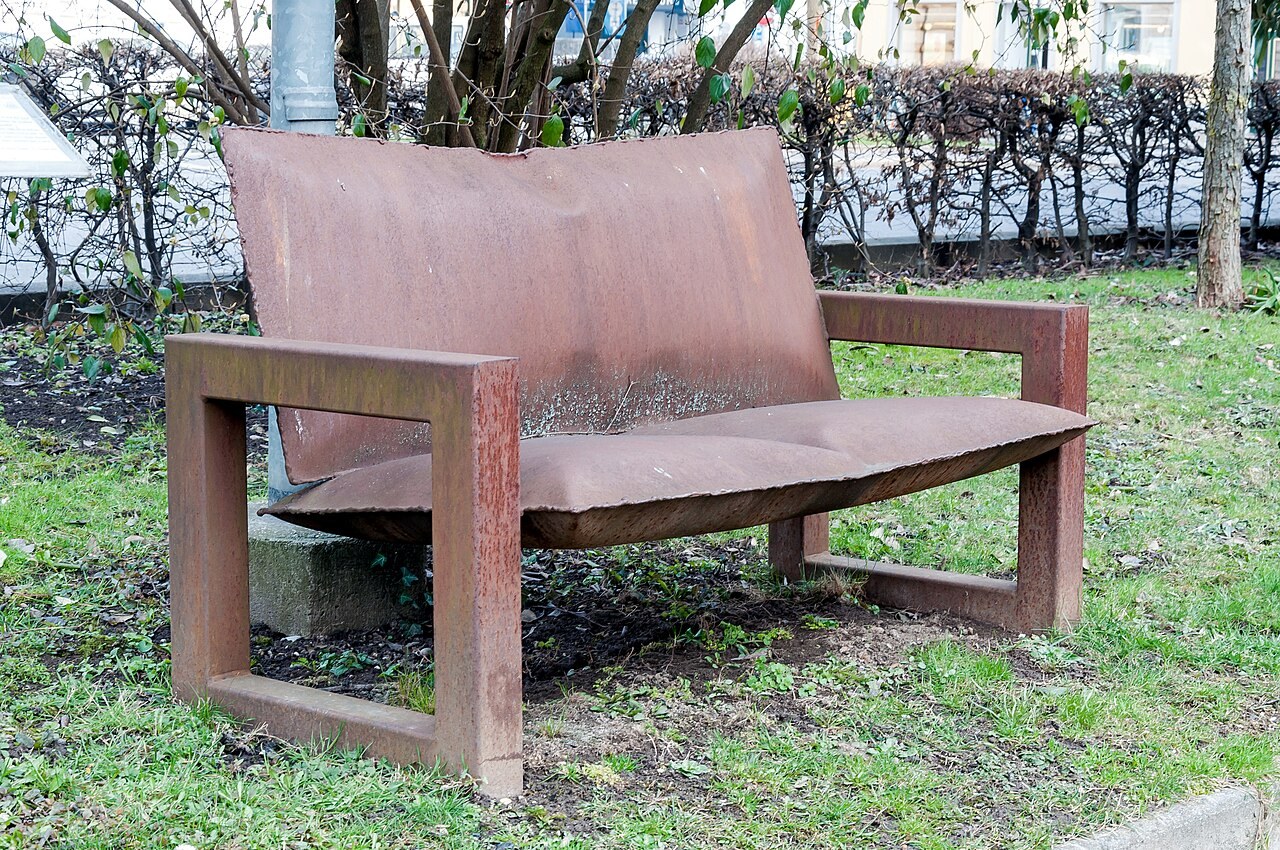
Agree on a point when the group will reconsider the next stage. If seating is essential, establish that it is available; a map symbol alone does not confirm that a bench will be usable.
Split up temporarily if useful and choose an easily reached meeting place. Nobody must complete the longest route for the holiday to count as a shared experience. A relaxed meal or conversation afterwards can be equally valuable.
Common questions
Should grandparents always choose the route?
Agree on it together. Everyone’s needs and interests count without making one person solely responsible.
What if interests differ?
Choose a shared core and keep additional activities optional. A dependable meeting place holds the day together.