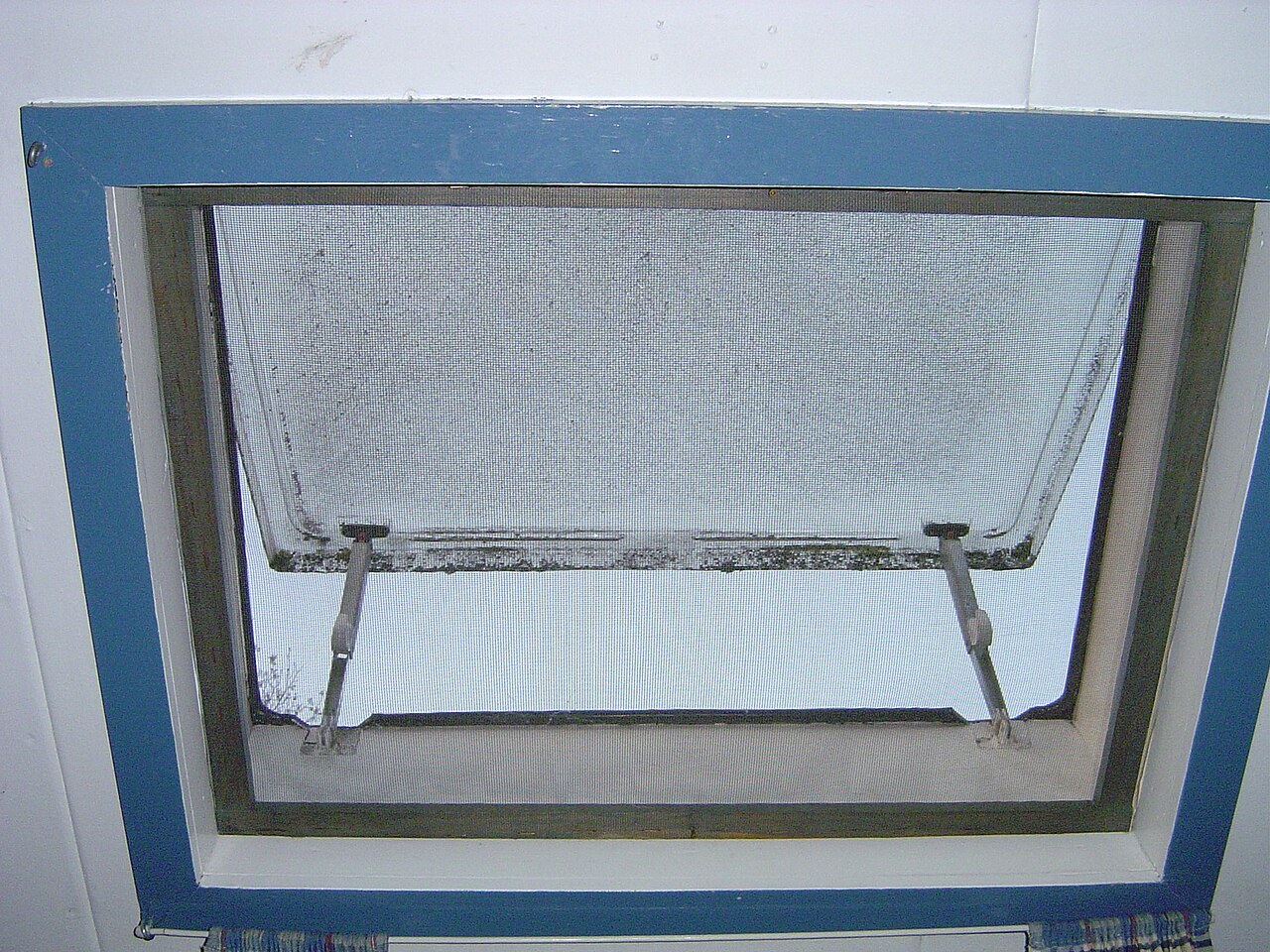
In green surroundings, it is useful to check windows and ventilation. Insect screens can make opening them more convenient, but may not cover every window. Focus on bedrooms and how to bring in fresh evening air without needing to leave doors open continuously.
Identify each covered opening
Ask which openings actually have suitable screens. A screened kitchen window does not establish protection at the bedroom door. A current picture helps show the frame and opening arrangement. Check whether blinds or curtains can still operate at the same time. Report damaged mesh instead of repairing it with unsuitable adhesive strips.
Match ventilation to conditions
After cooking and showering, additional moisture needs to leave the room. Follow the accommodation’s ventilation guidance and any installed system. During warm weather, cooler morning or evening air can help; continuously open windows in strong heat are not a universal solution. When going out, leave windows only in the explicitly permitted position.
Understand the limits
An insect screen is neither a child lock nor a load-bearing fall barrier. Supervise children appropriately and consider window heights. Insects can also enter through open entrance doors. Think about practical details, such as a reachable light switch by the entrance, rather than expecting a completely insect-free environment. Any additional products should suit personal needs and property rules.
Common questions
Must every window have a screen?
That depends on your routines. Start with the rooms and openings you expect to use often.
May I install my own screens?
Only by agreement and without causing damage. Clarifying existing equipment beforehand is preferable.