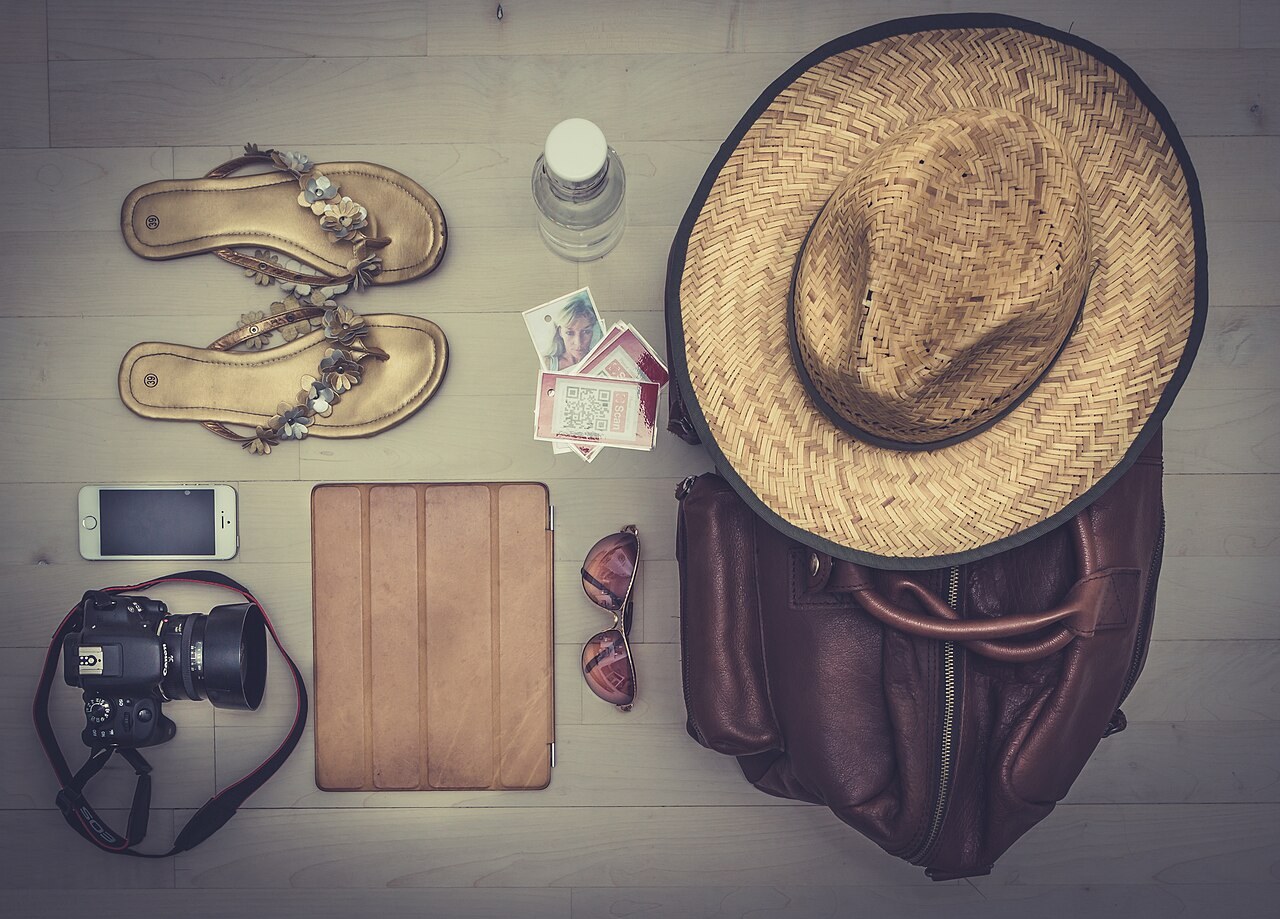
A short packing list works when it matches the property and trip. Assuming unconfirmed equipment may save weight initially but create extra shopping later. Clarify a few focused points and distinguish personal essentials from reliably provided items. The aim is fewer duplicates rather than the smallest load at any cost.
Start with textiles and appliances
Linen, towels and the actual coffee machine can change your packing list substantially. Ask about quantities and sizes, not simply whether something exists. A washer helps only when time and drying space are available. Particular personal requirements may still call for suitable belongings even where the property lists general equipment.
Group clothing by actual use
Choose garments suited to several planned activities and remove combinations intended only for unlikely possibilities. Keep a dry reserve for rain or dirty clothes. Group packing lists should avoid duplicating shared items where quantities and needs allow it. Everyone should still take responsibility for essential personal documents and private belongings.
Test the journey to the door
Lift the packed luggage and consider whether stairs or the walk from the station are realistic with it. Assess NEB journeys including changes and the final walk. Several small extra bags can be more awkward than one organised piece. Keep arrival essentials on top so a pause or delayed handover does not require unpacking everything.
Common questions
Should I buy everything after arrival?
That shifts the effort and may create leftovers. Bring essentials and avoid only confirmed duplicates.
What remains personal luggage regardless of facilities?
Individual necessities and documents whose suitable provision has not been explicitly confirmed.