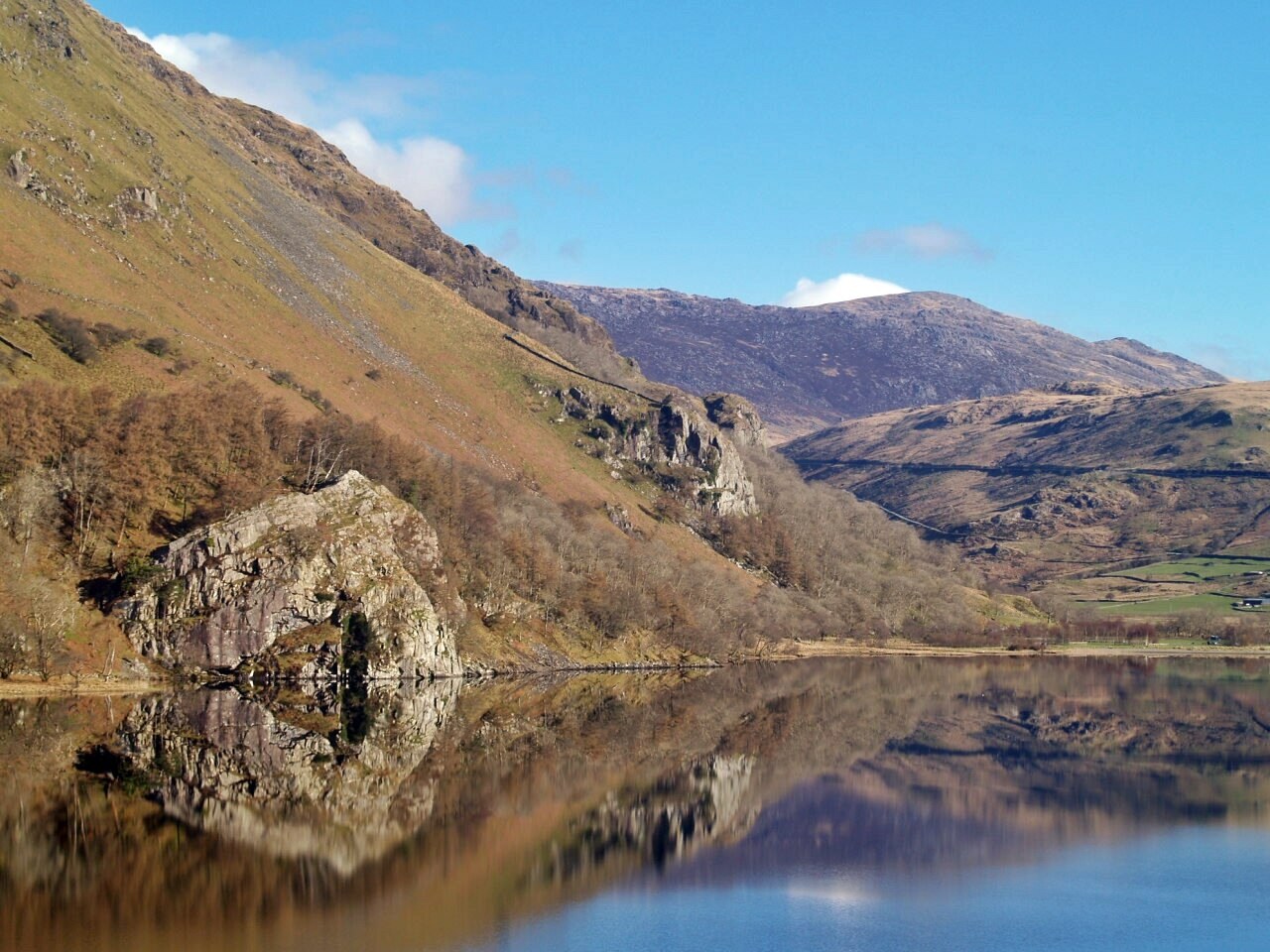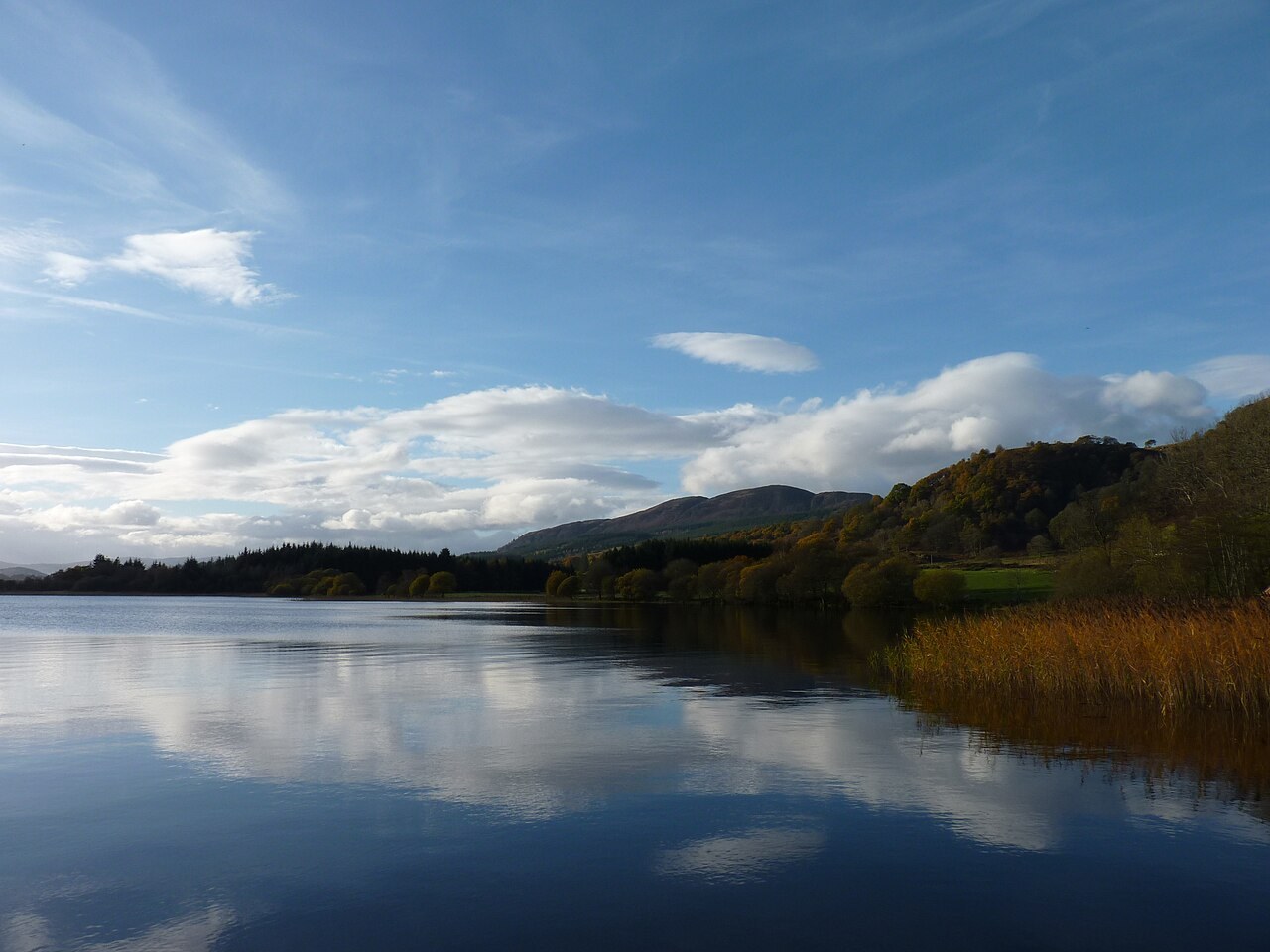
Reed belts shape the appearance of many lakes. From a distance they can seem like a uniform wall; quiet observation reveals differing heights, dry stems and movement. This area can provide habitat and refuge for animals. The nature park describes the bittern's association with extensive reed beds, for example. That is a reason for care, rather than a promise of seeing the species at today's lake.
View the edge from an existing path
Choose a permitted position where you can see the plants without pushing them apart. Binoculars or camera magnification may help. Notice the transition between open water, reeds and the trees beyond them as well.
If a path turns away from the bank, follow it. The distance may form part of sensible visitor management. A private opening or narrow trampled line through stems is not automatically a public approach.
Notice movement rather than hunt rarities
An interesting observation does not require identifying every plant precisely. Compare how wind moves the stems, where light falls on dry growth and what sounds you hear. Note the conditions if you want to compare photographs taken on different days later.
Do not attract animals with calls, food or recordings of birdsong. If you cannot see something, accepting the limited view is part of a considerate visit. A complete species list is not a necessary result.
Leave the bank undisturbed
Do not break stems or make a new sitting space in the vegetation. The nature park identifies habitat destruction and disturbance from recreation as pressures on reed-dependent birds. Take your break in an appropriate existing area instead.
Collect packaging carefully. Lightweight items can be difficult to retrieve between plants. A properly closed rubbish bag prevents that problem more effectively than searching through reeds afterwards.
Common questions
Do I need to touch reeds closely to learn about them?
No. You can compare height, colour, movement and position beside the water from a suitable path. Photographs and notes are enough to keep a record.
Are the animals described by the nature park visible everywhere?
No. A habitat description is not a sighting guarantee. Stick to what you actually observe and do not disturb potential hiding places.