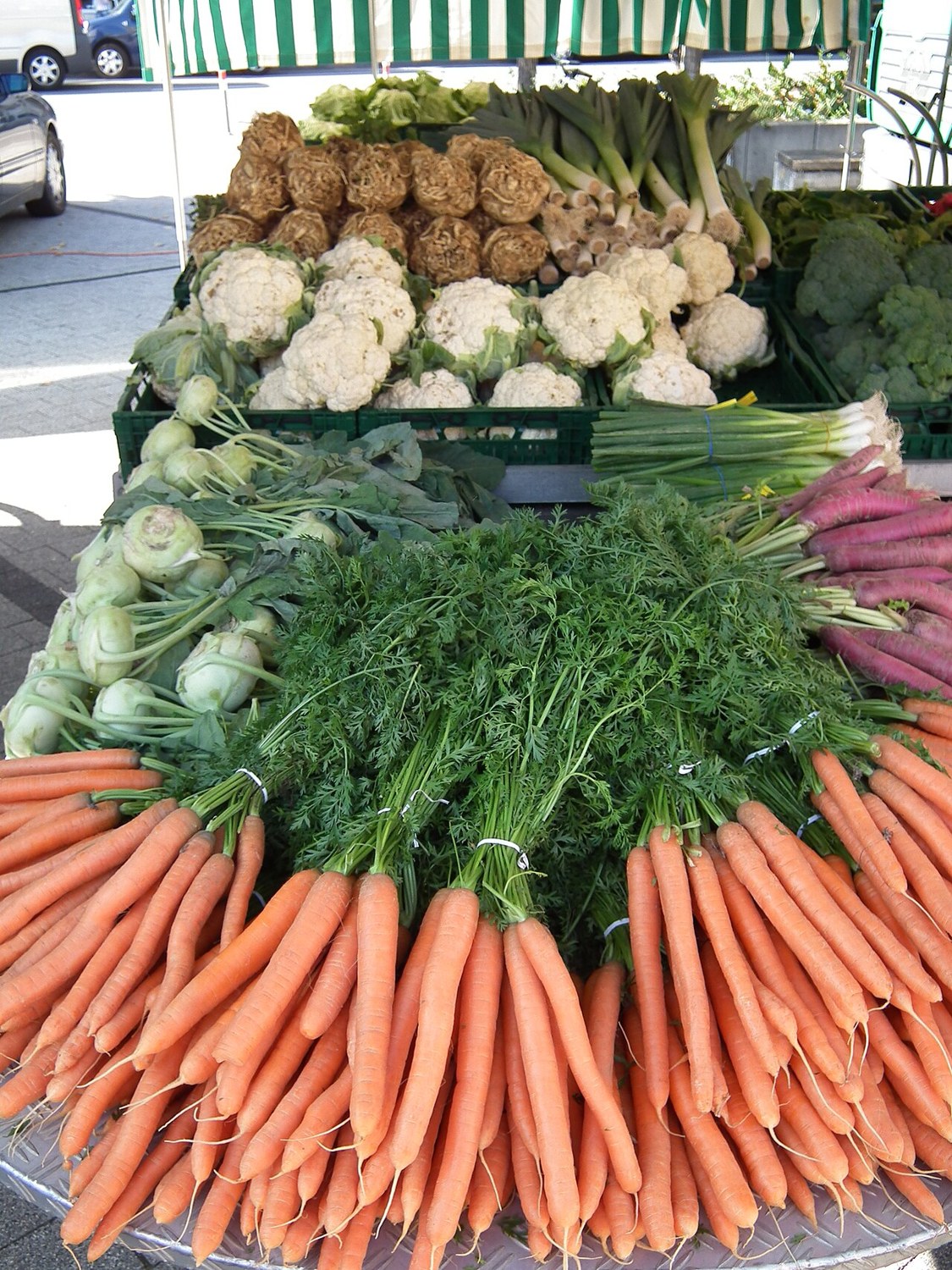
Regional shopping can enrich a cottage stay. What matters is which part of a product comes from the area: ingredients, processing or merely the sales address. Ask politely and specifically rather than treating a rural-looking shop as proof of origin.
Separate origin from processing
Bread may be baked in the next village while its grain was grown elsewhere. These are different statements. Ask about the production stage that matters to you without expecting every detail to be immediately available.
Farm shops can sell bought-in goods too. Germany’s Agricultural Information Centre advises examining regional claims carefully. A brand with a place name is not a substitute for a specific origin statement.
Read labels usefully
The Regionalfenster label gives information about important ingredients’ origins and the place of processing. Look at the size of the named region and the statement made for that product. A label does not automatically answer every question.
Organic and regional describe different qualities. Decide consciously what matters for your purchase. An unavailable preferred product need not trigger a long additional shopping journey.
Fit shopping into the holiday
Check current opening and availability before making a particular shop a fixed excursion destination. Season, harvest and range change. A reachable alternative helps when the intended ingredient is missing.
Buy quantities you can reasonably use before departure. Perishable goods require a suitable journey back. A small selection with understandable origins is often more useful to a holiday kitchen than a large speculative shop.
Common questions
Does a farm shop produce everything it sells?
No. Ask which products come from the farm and which are bought in.
Does regional automatically mean Wandlitz?
No. The defined region may be larger. Check concrete place or area information.