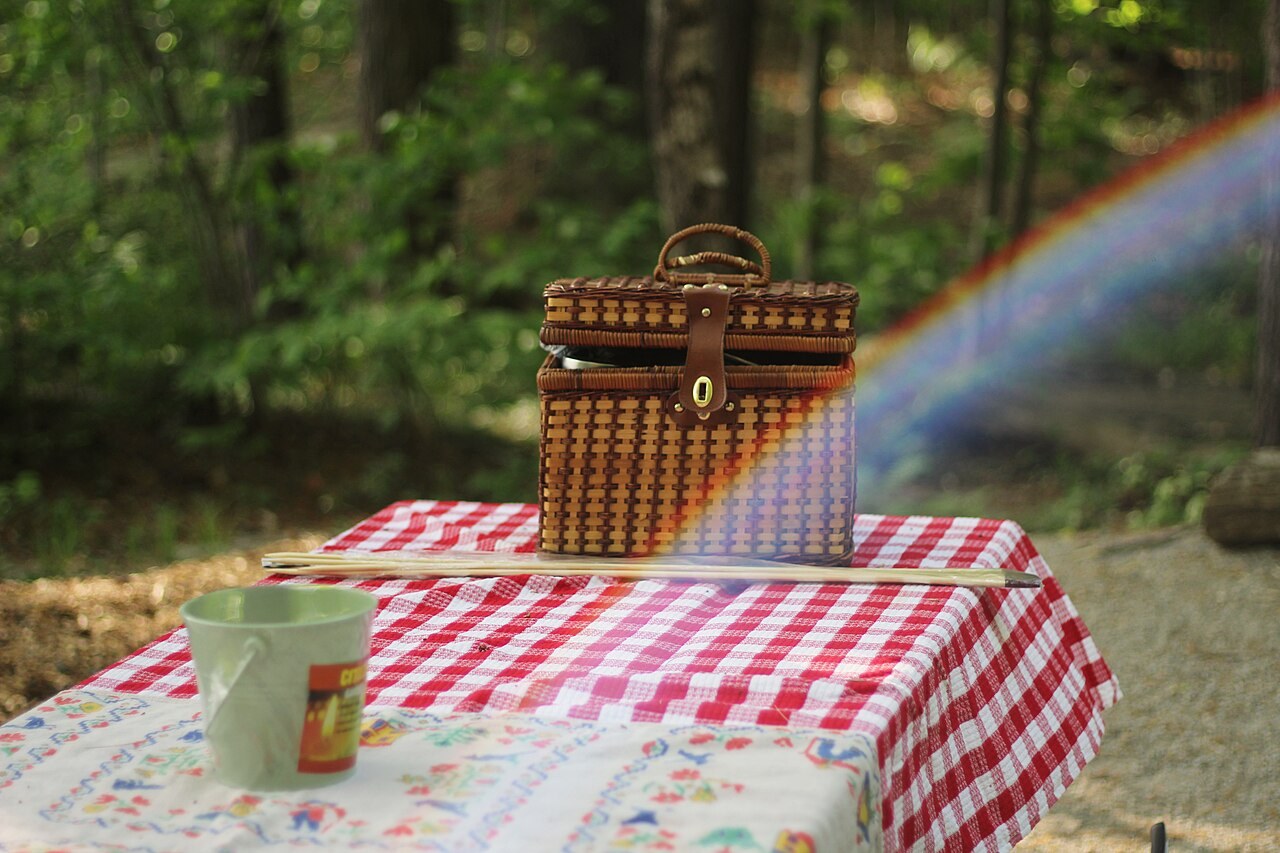
A picnic can pleasantly extend a lake break if you choose an appropriate place and keep the food straightforward. Before packing, decide whether you will eat in an expressly usable stopping area or at an identified picnic spot. Being close to water does not make land a general rest area. A good outing leaves neither food nor a new track through shoreline plants.
Choose food needing little preparation
Portion bread, fruit or other food at your accommodation. Closable containers keep transport organised and are helpful in wind. Select food according to the journey length and its storage requirements; anything that must stay chilled needs an appropriate cooling arrangement.
Avoid a menu requiring substantial cutting, heating or washing beside the lake. The nature park's guidance prohibits fires, barbecues and outdoor cooking equipment. A prepared cold meal is therefore a better plan than an improvised cooking spot.
Share the space
Stay in intended areas and leave entrances clear. A blanket should not spread across a walking route. If proper seating is necessary, check availability beforehand; a bench at your preferred viewpoint is not guaranteed.
Keep containers away from edges where they could fall into the water. Small items such as lids and napkins can quickly blow away. Put them back in the bag immediately after use rather than leaving them alongside it.
Give the ground a final look
Take all leftovers and packaging away. Fruit peel and bread do not belong beside the lake as supposed gifts to nature. Let birds find their own food and keep your stopping place free of scraps.
Inspect the area carefully before leaving. Your luggage still needs room for the journey home: empty containers do not disappear when the meal has been eaten.
Common questions
Is a small camping stove a convenient alternative?
No. The nature park's rules also exclude outdoor cooking equipment. Plan food that does not need heating on arrival.
Can biodegradable leftovers stay behind?
No. Take your food remains back with you. They do not belong in shoreline vegetation or in the water as feed.