A short distance is not equally easy for everyone. Surfaces, gradients and missing seats can matter more than kilometre totals. Describe your requirements specifically and plan routes with a workable return or stopping point. Do not rely only on a general description of an easy walk.
Add up the complete journey
Count not only the advertised walk but parking or stop access, the entrance and the journey back to the property. Arrival itself may use a substantial share of your comfortable range. Ask important destinations for reliable route and access details. Detailed Reisen für Alle information can help, but needs comparison with personal requirements.
Identify real resting places
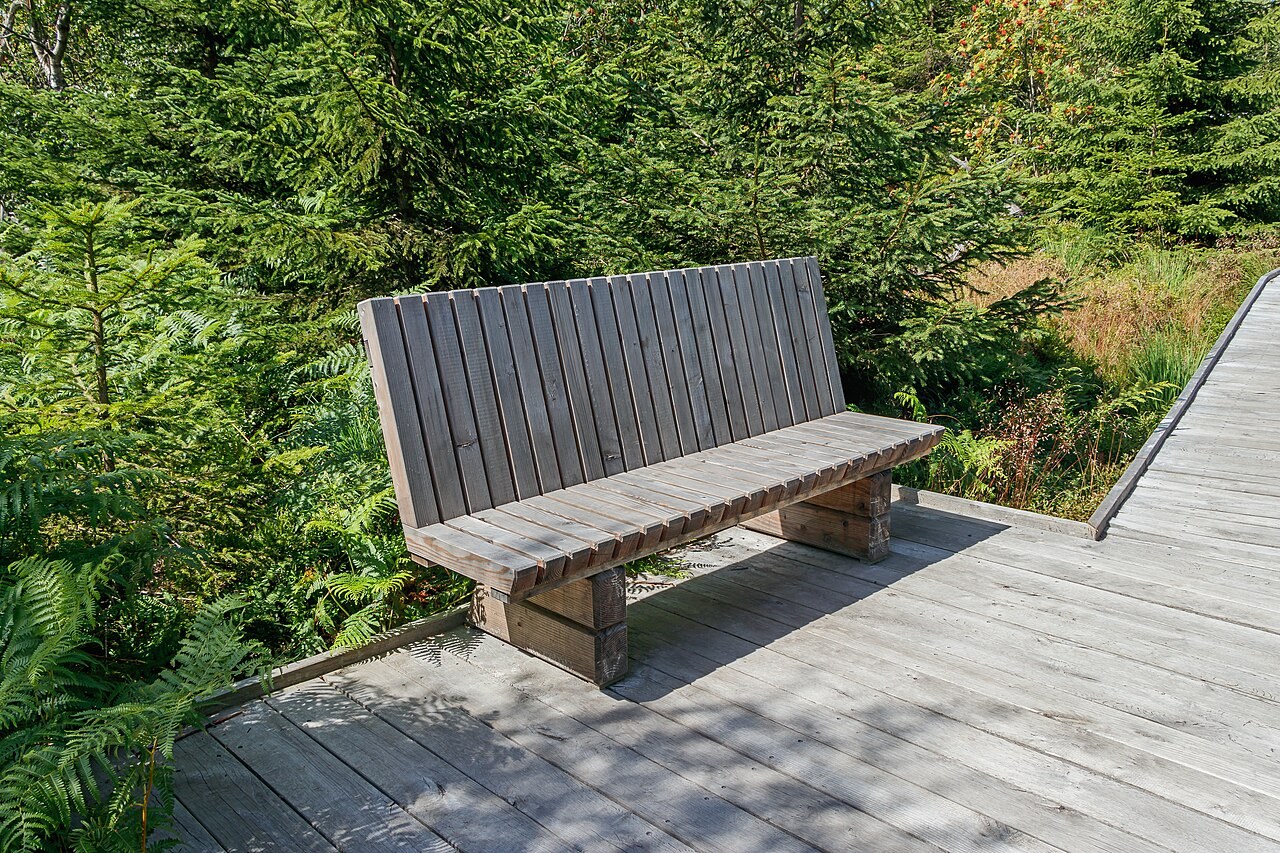
A woodland path does not automatically provide benches. Check where a suitable break is actually possible and whether you can reach it independently. A seat at the end helps little if the section before it is too long. Also consider toilets, weather shelter and usable surfaces. Do not base an essential rest stop on an unconfirmed possibility.
Secure a workable return
Use current journey information to check whether a shorter return genuinely fits the day. A possible bus somewhere nearby is insufficient: stop, timing and access must work together. Agree a comfortable pace with companions. Finishing earlier is an ordinary adjustment, not something that needs replacing with another spontaneous lengthy activity.
Common questions
Are circular walks always better?
No. An out-and-back route with a flexible turning point may be easier to adapt.
What information helps an enquiry?
Your workable distance between breaks and requirements for surface, gradient and seating.