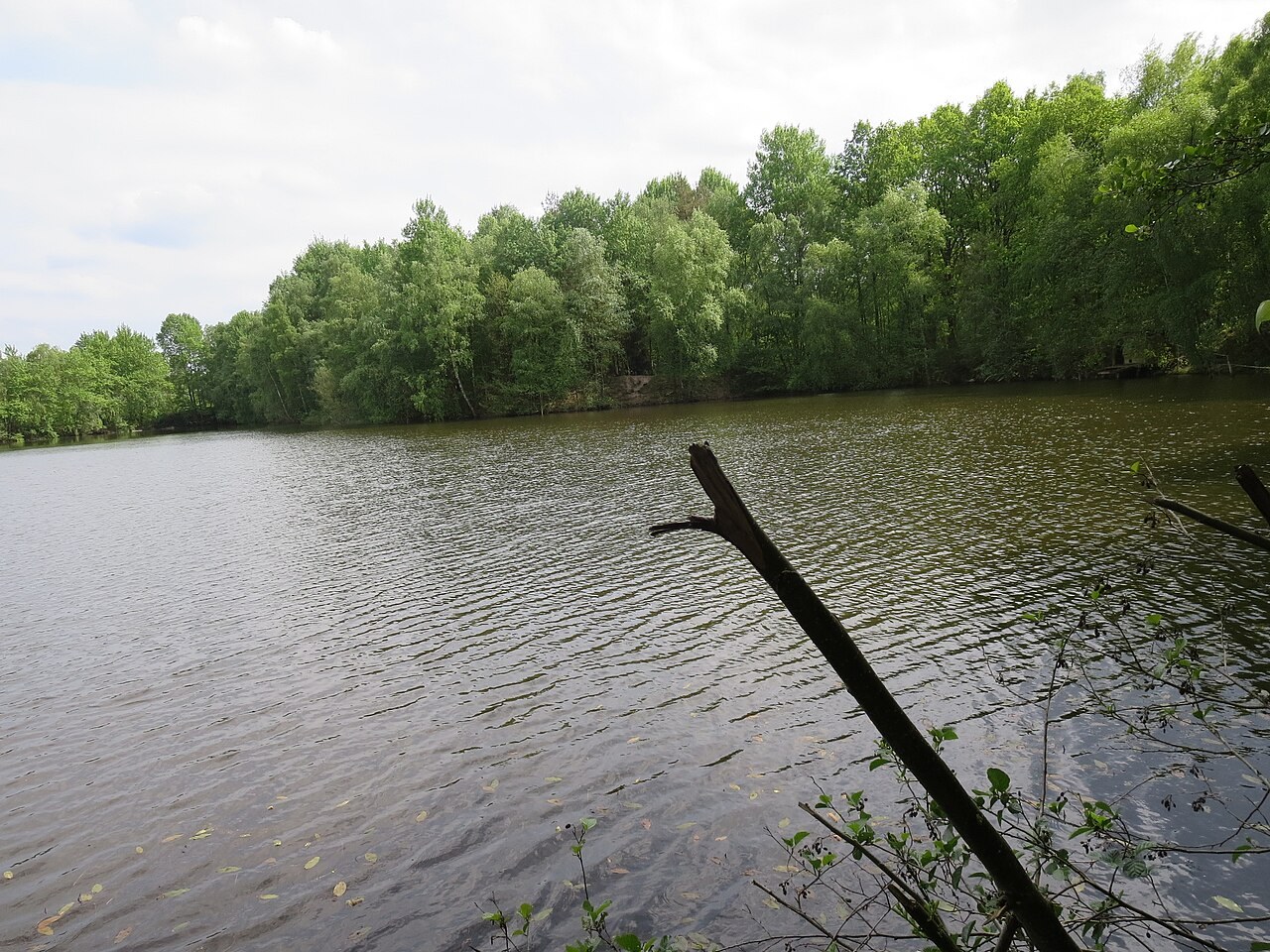
A bright spring day may feel much cooler beside water than in a sheltered garden. Plan a lake outing around actual conditions rather than the season alone. Brief observations, a manageable walk and a dry break combine well without demanding summer weather.
Consider weather and shore separately
Check temperature, wind and rain for the outing area. A general sunshine symbol says little about whether a long pause at the water will feel comfortable. Carry an extra clothing layer that is easy to put away.
Paths and access points may remain soft after wet days. A previous summer visit does not guarantee a dry spring circuit. Choose a return that remains straightforward if wind or rain increases.
Notice changes slowly
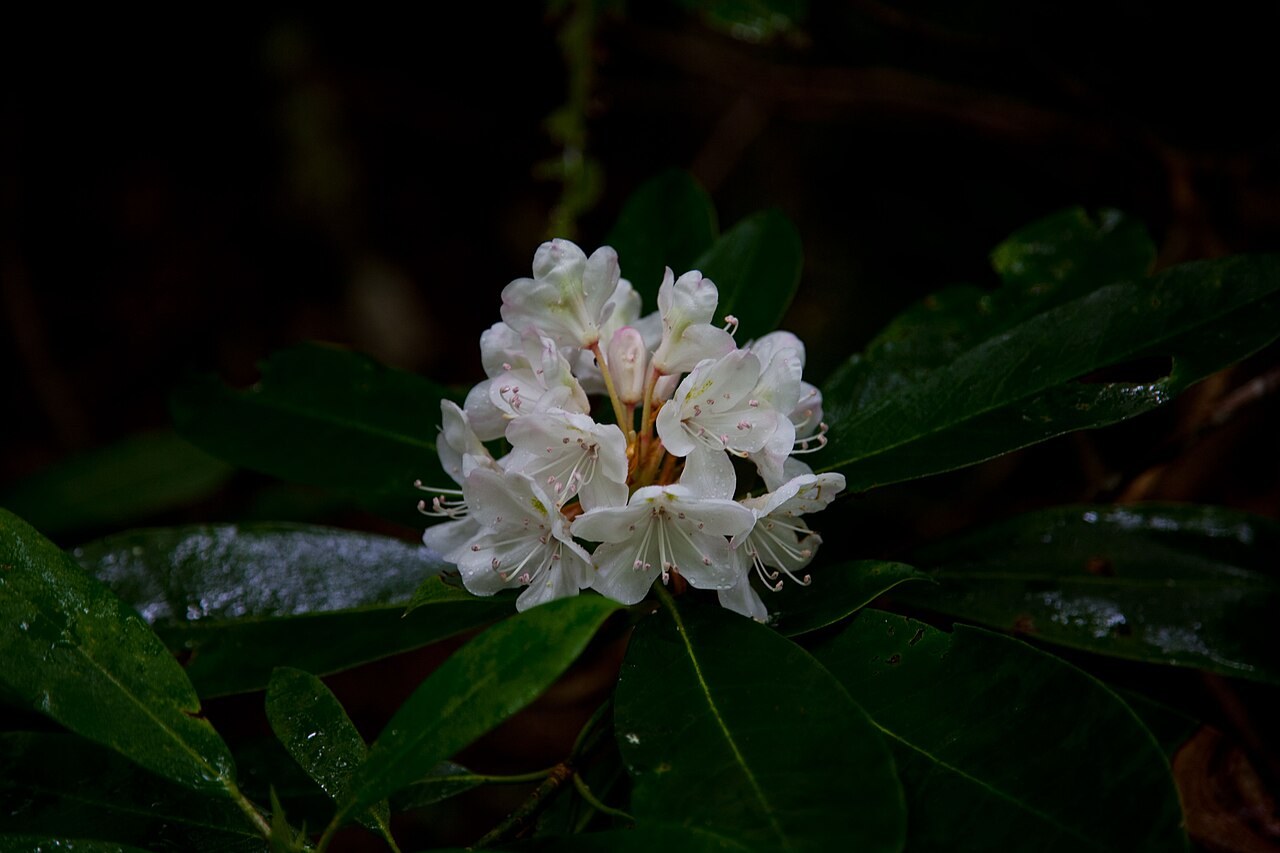
Look at buds, new leaves and differences between open and shaded places. The precise stage varies by year and position. Avoid promising children a particular flower or wildlife sighting.
Small views from the designated path are enough: a crown of branches, light on the shore or a strip of reeds. Keep distance from animals. An apparently quiet shoreline is not permission to enter sensitive vegetation.
Avoid depending on warmth
Combine a short walk with time at the cottage or a checked indoor destination. Keep food and return arrangements flexible so that a chilly moment does not become a long unwanted stay.
Recheck official warnings when conditions are changeable. If the weather is unsuitable, a shorter outing later may be better than following the original all-day programme. Spring can be interesting without imitating summer.
Common questions
Can we count on a swimming day?
Do not decide from the calendar alone. Current conditions, local information and individual suitability matter.
What clothing is useful?
Adjustable layers and protection against wind or rain suit changeable conditions better than a single warm-weather outfit.