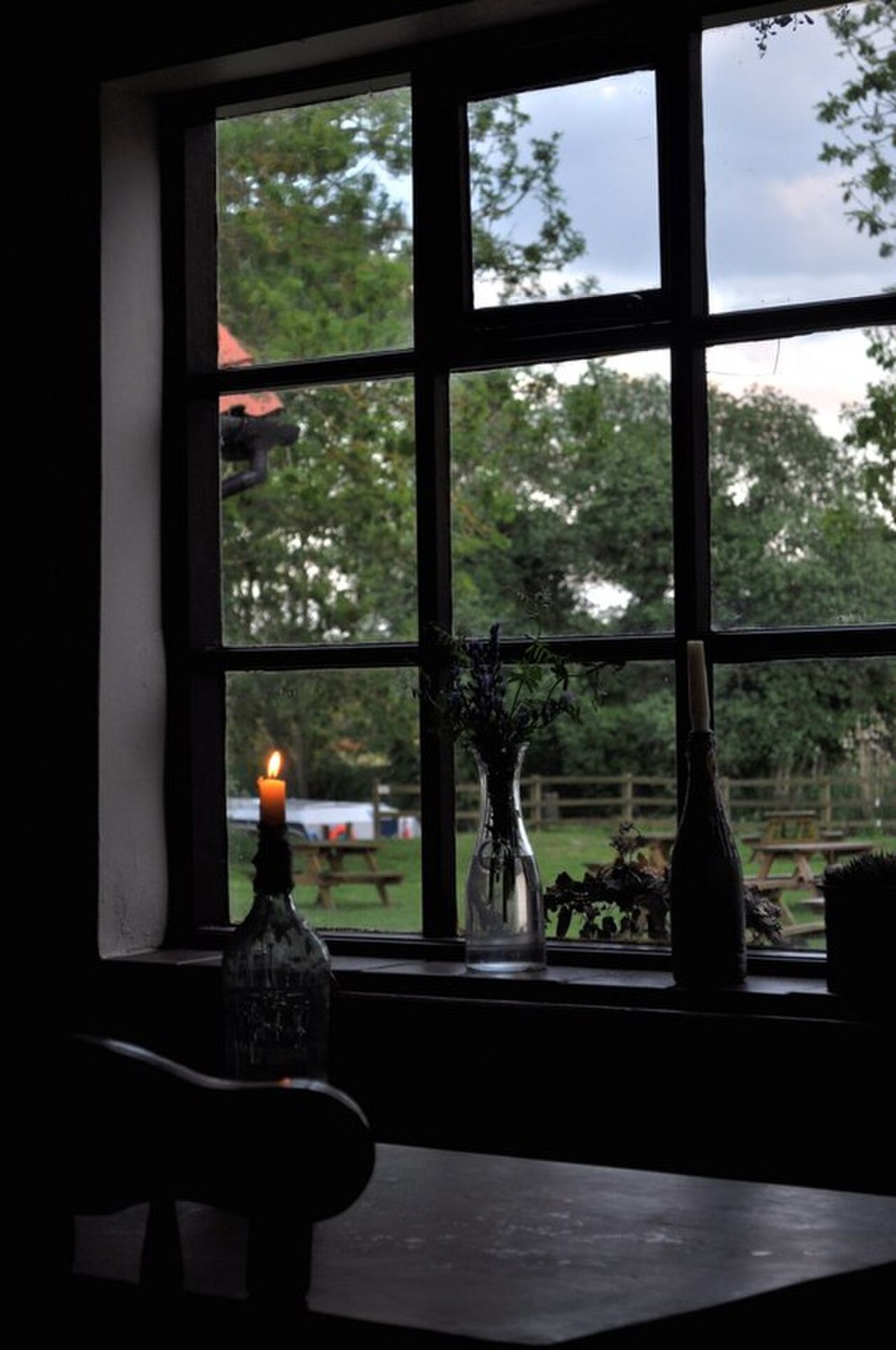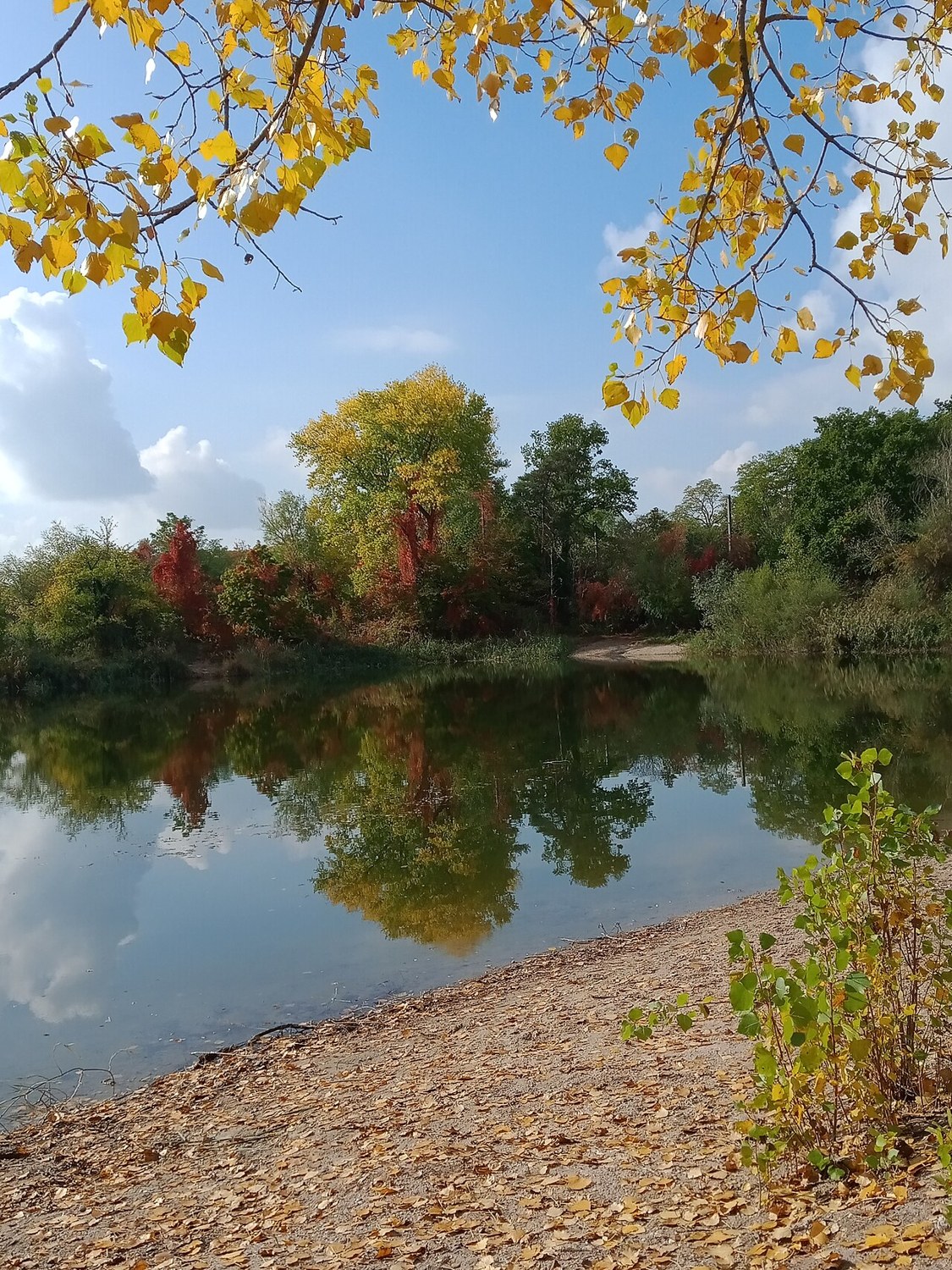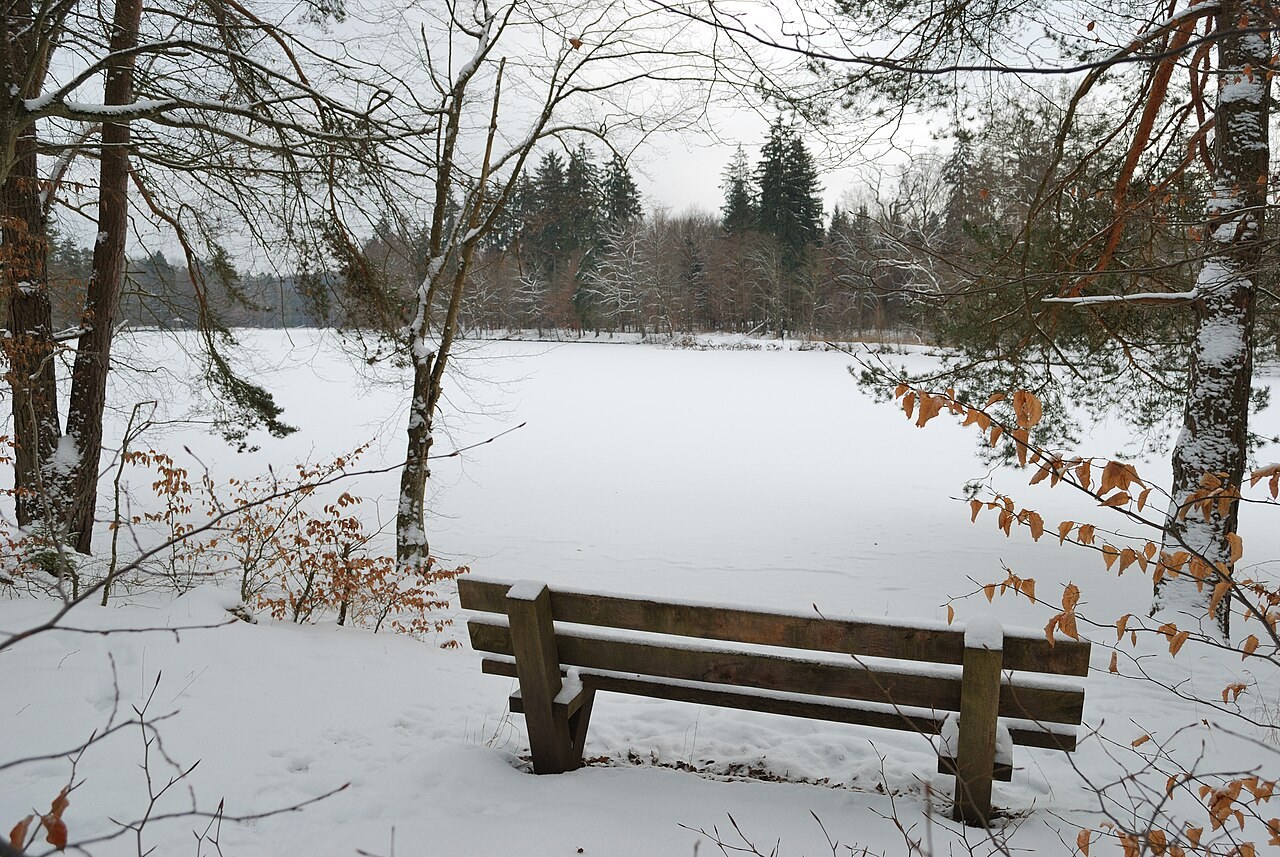
A winter lake can be interesting through bare branches, different light angles and subdued colours. Plan the visit from shore. Ice is not an invitation to step onto the water, and its appearance does not establish that it can carry weight. Use a permitted, assessable access point on land.
Choose the position carefully
Use established paths and respect closures. Jetties, edges and banks may be slippery even when the main path appears ordinary. Choose somewhere that offers a view without approaching a risky edge.
Make boundaries especially clear with children and dogs. Keep dogs controlled on leads so they cannot reach an ice surface. DLRG guidance against entering ice after the first cold days reinforces the need for caution.
Keep observations short
Look at reflections, dark open water and the lines of reeds or branches. There is no need to stand still for a long time. A limited pause followed by walking may be more comfortable than waiting for a perfect photograph.
Match clothing and footwear to current conditions. Do not leave gloves at the bottom of the bag until reaching the shore. Keep frequently needed items accessible.
Watch weather and return timing
Check current warnings and leave daylight in reserve for the return. Wind can feel stronger in open positions than between buildings. Shorten the visit when conditions become uncomfortable.
Do not step onto ice to improve a photograph or retrieve an object. In a real emergency, call rescue services; do not place yourself in danger through an unprotected rescue attempt on the ice.
Common questions
Can ice be assessed from the shore?
Appearance does not reliably establish load-bearing strength. This outing stays entirely on land.
Is a visit worthwhile without snow?
Yes. Light, bare vegetation and water surfaces change the impression without a complete snow cover.