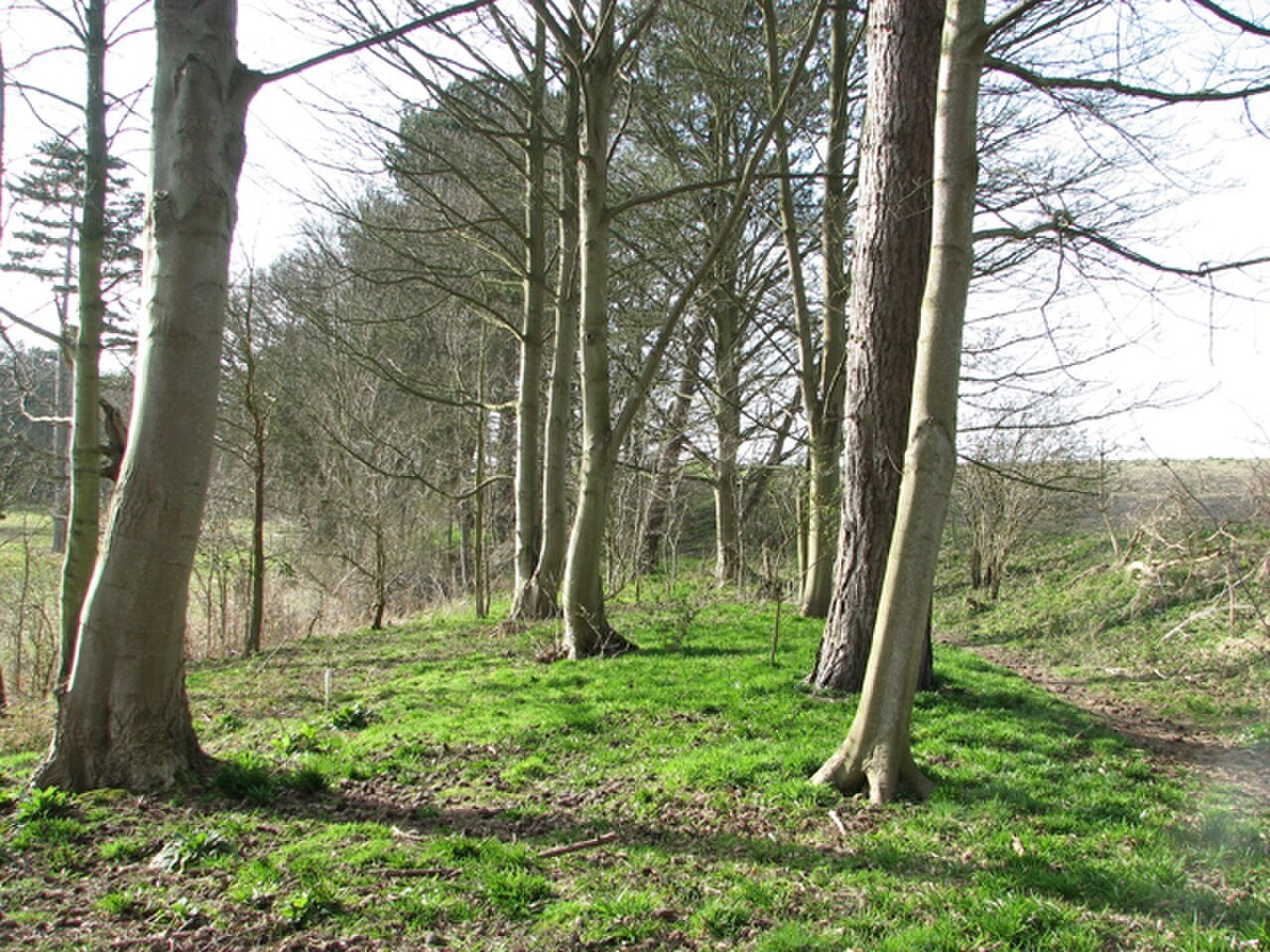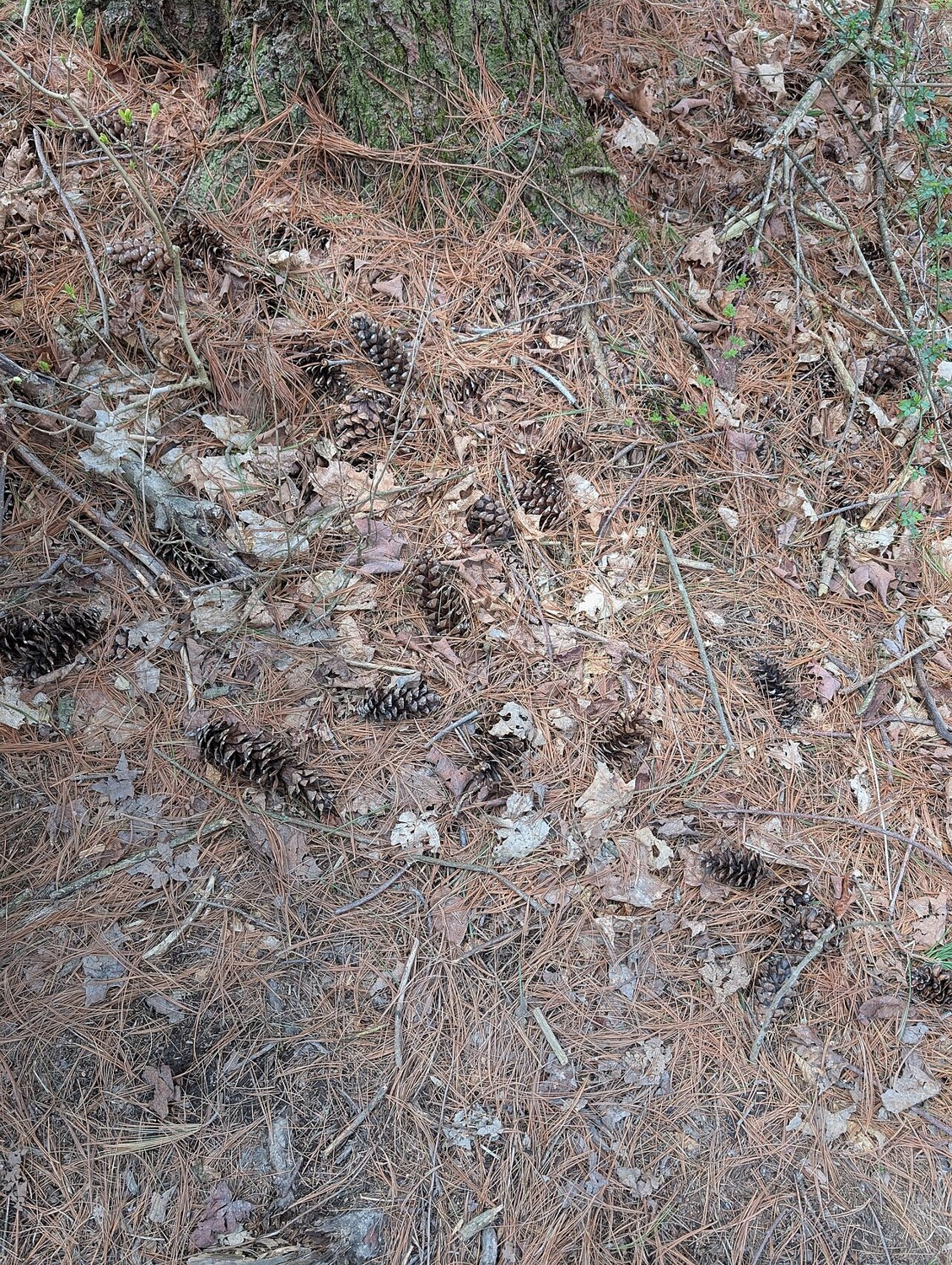
Woodland bingo needs no purchased activity kit. Put things that can be seen or heard from the path into a small grid. Mark observations when you find them rather than collecting objects. This creates a shared challenge without picking plants or searching through woodland for particular items.
Design a suitable grid
Draw nine boxes. Simple pictures work for younger children: a round shadow, a fallen cone, rough bark, a bird sound or two shades of green. Older children can use closer descriptions, such as a leaf with a serrated edge.
Do not choose rare species or anything requiring you to leave the path. Avoid locating nests or approaching animals. The game should encourage attention rather than pressure to find something that may not be present.
Agree what counts
Decide what makes a match. Hearing a bird is enough for a bird-sound square; nobody needs to see it. Several examples may fit a colour. Whoever notices something can briefly explain where it was observed.
Use one shared sheet for a cooperative version. Different interests and walking speeds then become less competitive. An empty square is not a failure. The surroundings are not obliged to fulfil a list prepared at breakfast.
Keep the walk bigger than the game
Put the grid away occasionally. Anyone who would rather walk or look at something else need not complete every box. A short section is enough before conversation or a break.
Remain on marked nature park paths, keep voices considerate and take rubbish away. Return the card, pencils and drinking bottle to the bag. Leave natural objects exactly where you noticed them.
Common questions
Does every child need a sheet?
No. A shared grid saves material and makes the activity a joint search rather than a race.
Can we repeat the same route?
Yes. Change colours, shapes or sounds. Different weather and light reveal new details on familiar paths.