A lakeside walk does not need to circle the entire lake. On holiday, it often matters more that everybody enjoys the distance, finds a suitable place to pause and returns without rushing. Start with a published walk or current walking map. The water helps you understand the setting, but does not grant access to every part of the shore.
Read the actual route
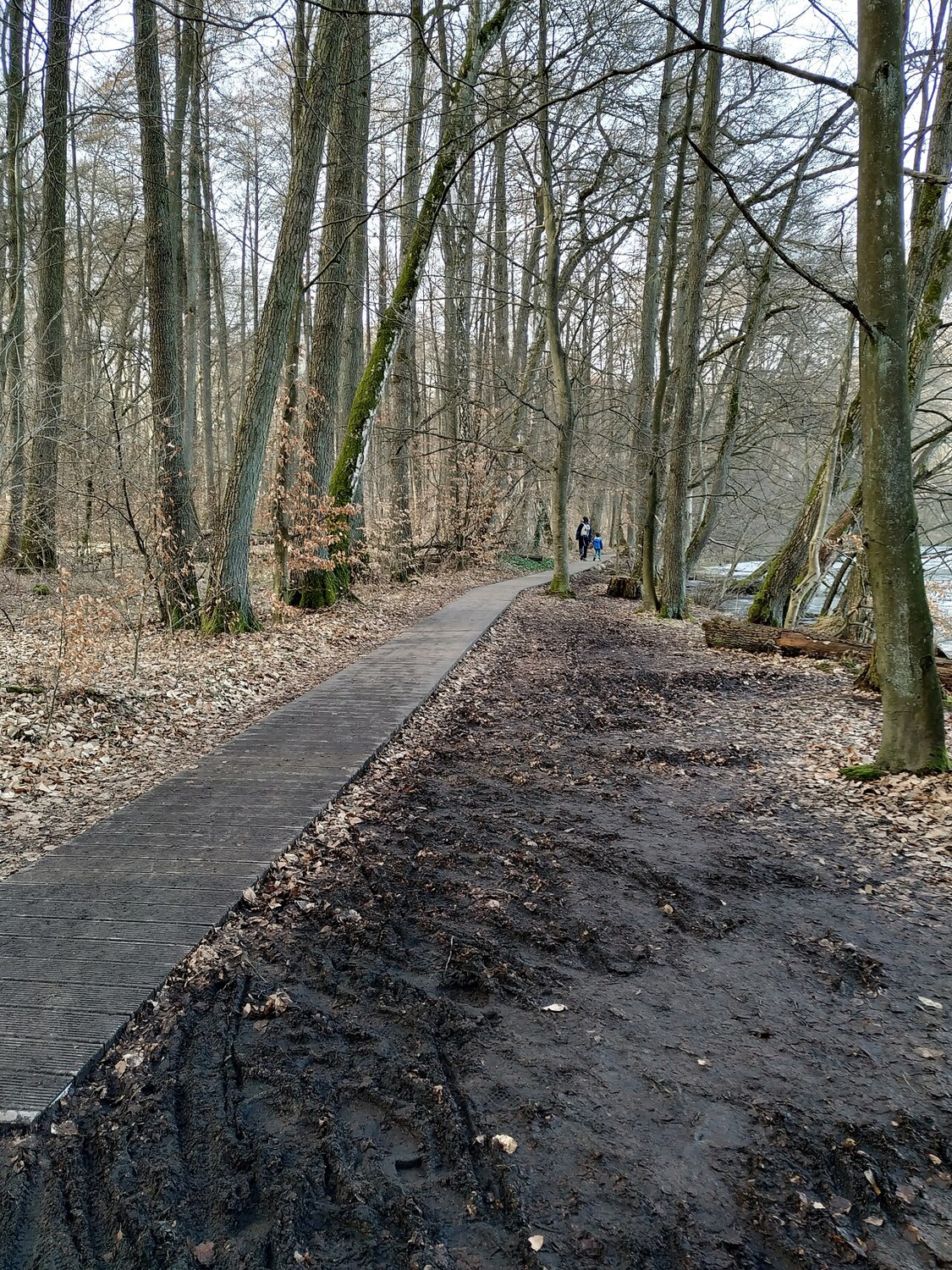
Check the starting point, junctions and return together on the map. A narrow line immediately beside the lake may have a very different character from a surfaced path farther into the woodland. Look for information about surfaces, slopes or restricted sections where those details matter to your group.
Do not plan solely from the distance between your accommodation and the water. A permitted approach may involve going around an obstacle or property. Include the distance from a car park or stop to the beginning of the walk itself.
Build pauses into your choice
A short outward walk to a known stopping place may suit somebody with limited walking range better than a circuit with no established shortcut. Confirm seating beforehand if it is necessary; otherwise do not depend on finding a bench by chance.
Carry food and drinking water appropriate to the time involved. Keep packaging secure so it cannot blow away, and leave paths open for others while your group takes a break.
Treat turning back as normal
Agree a point in time when you will reassess the remaining distance. Tiredness, rain or a closed section are sufficient reasons to adapt. That decision is easier when you have noticed the return route on the outward walk and remembered distinctive junctions.
Use the intended paths, as the nature park recommends. An apparently shorter track through reeds or soft shoreline ground is not a good answer to a route that is too ambitious.
Common questions
Is a circular walk always more enjoyable?
No. A familiar out-and-back route provides clear orientation and can be shortened more easily. A circuit should suit the whole group.
What belongs in the walking distance?
Include the approach from transport to the starting point and the eventual return. Breaks add to the time even though they do not change the distance.