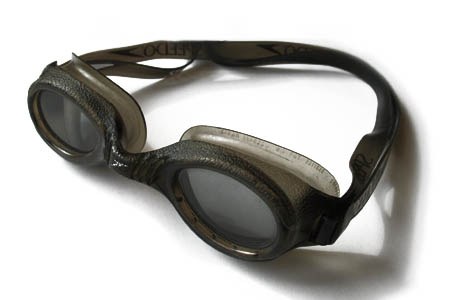
A swimming bag works well when you can find its contents beside the water without emptying everything out. Taking the largest possible amount of equipment is rarely the best answer. Start with the length of your visit, the available facilities and the people joining you. Read the chosen lido's information first: something already provided and usable does not need to be packed again just in case.
Organise by access
Give towels and dry changes of clothing their own space. Bring a closed bag for wet swimwear that can be cleaned and dried afterwards. Keys and travel tickets should not disappear between damp fabrics.
Keep regularly needed items within easy reach. A drink at the bottom beneath several towels creates unnecessary repacking. For several visitors, visibly different small bags can help keep personal clothes apart.
Pack for weather and the journey home
Think beyond the time spent on a lawn. Dry clothing and an additional layer are often more comfortable than a towel alone when walking back or travelling by train. Choose footwear for your intended approach rather than expecting every surface to be comfortable barefoot.
Bring sun protection and a suitable hat according to the weather and personal needs. Do not bury them beneath equipment that will only be used on the return journey.
Limit the toys
Choose a few small items that one accompanying adult can carry. Follow the local bathing rules. The DLRG stresses that floating toys and swimming aids do not replace active supervision of children. A well-filled bag does not automatically make a visit safer.
Include a bag for your own rubbish. Before leaving, check the stopping place, belongings and group. This simple routine can prevent clothing being lost and packaging being left behind.
Common questions
Does everyone need a large bag?
Not necessarily. What matters is keeping personal clothing recognisable and important items accessible without lengthy searching.
Can large inflatable toys make supervision easier?
They do not replace supervision or reliably protect against drowning. Follow DLRG guidance and the local rules governing their use.