On short days, distance alone is not enough for planning. Breaks, slow sections and travel to the start also consume daylight. Work backwards from your intended return time and leave a margin instead of aiming for the final minute of light.
Check light for the actual place
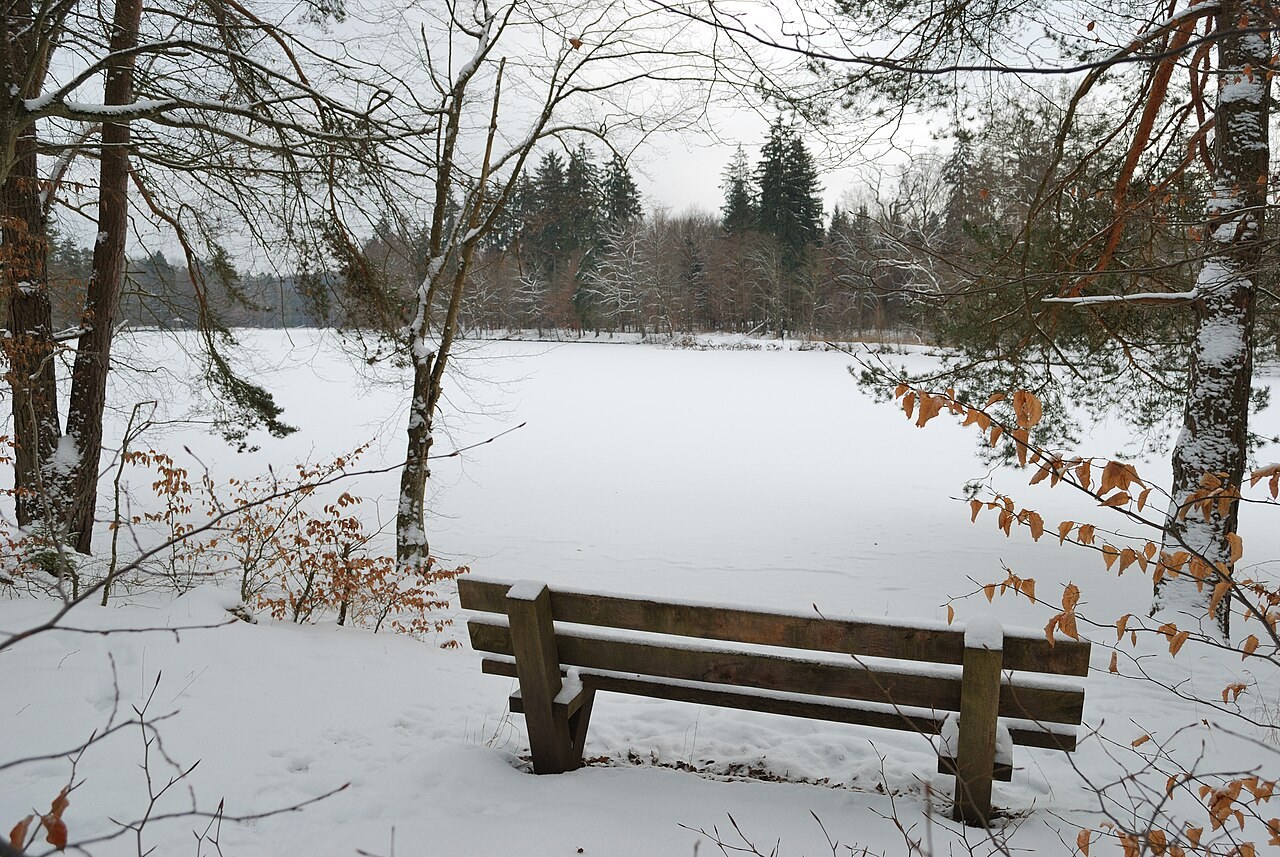
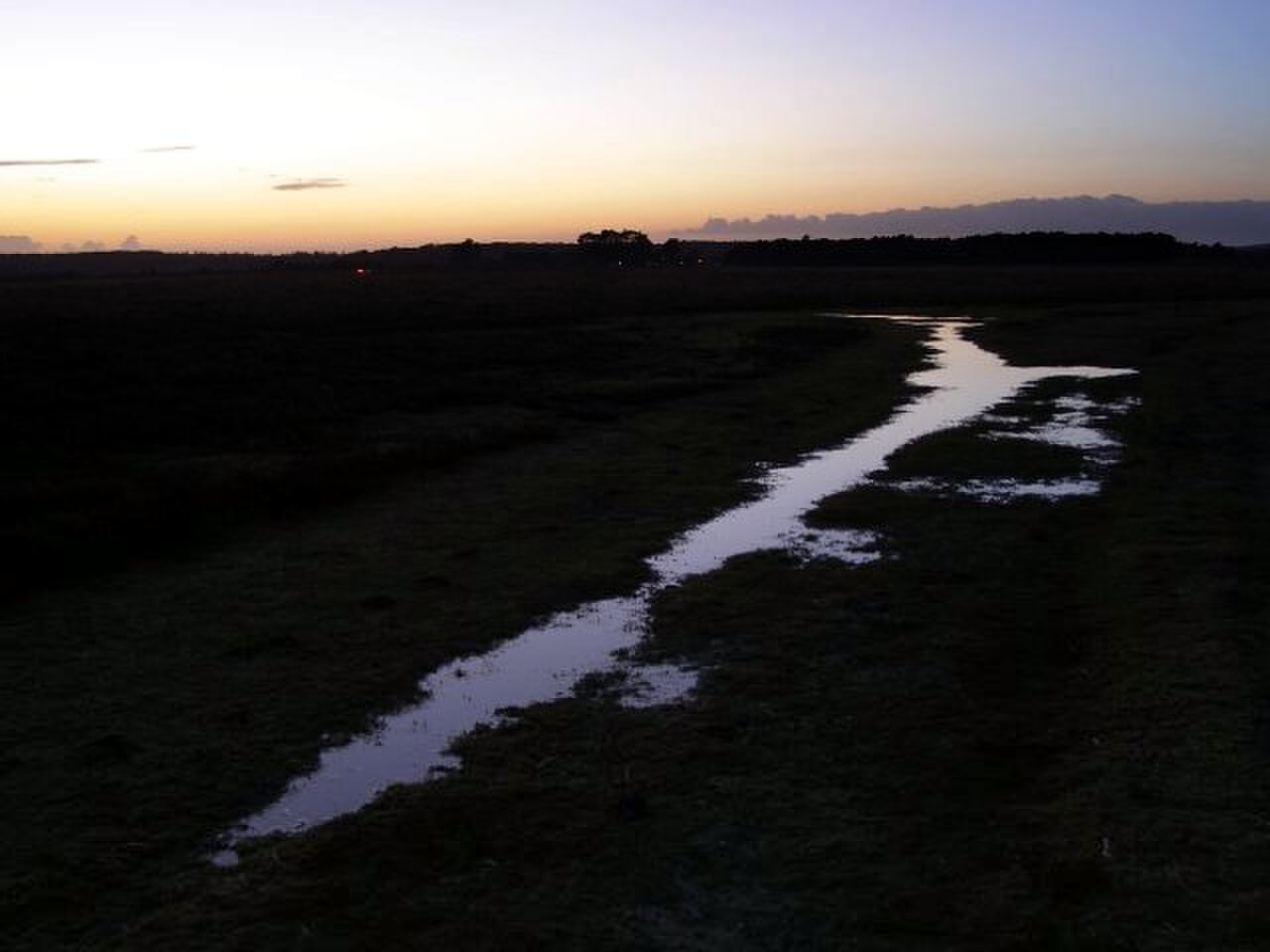
Sunset and twilight apply to a particular location and date. A woodland path may feel dark earlier than an open lakeside position. Weather and thick cloud affect the impression too.
Check the forecast and possible warnings. An expected bright interval later is not a dependable substitute for starting in time. Choose a route whose course and return are understood.
Agree on a turnaround time
Include more than normal walking time. Children, photographs, pauses and difficult surfaces may change the pace. Set a time to turn back regardless of whether the intended destination has been reached.
A torch may help with unexpected delays, but should not justify an intentionally excessive route. Check batteries or charge and know how to operate it. Keep this reserve accessible rather than buried under the day’s belongings.
Use the afternoon differently
Reading, cooking together and other indoor activities remain after the outing. Returning early does not end the holiday day. It can create the quieter cottage time that makes the stay pleasant.
After a late arrival, keep the first orientation walk especially short. Use safe, manageable routes and postpone unfamiliar woodland sections until the next bright day. The landscape does not need to be fully discovered before the first evening.
Common questions
Is an advertised walking time enough?
It is only a guide. Add your own pace, breaks, weather and surface conditions.
Can a torch extend the circuit?
For this daylight plan it is a backup. Do not deliberately leave unfamiliar routes until darkness solely because you have one.