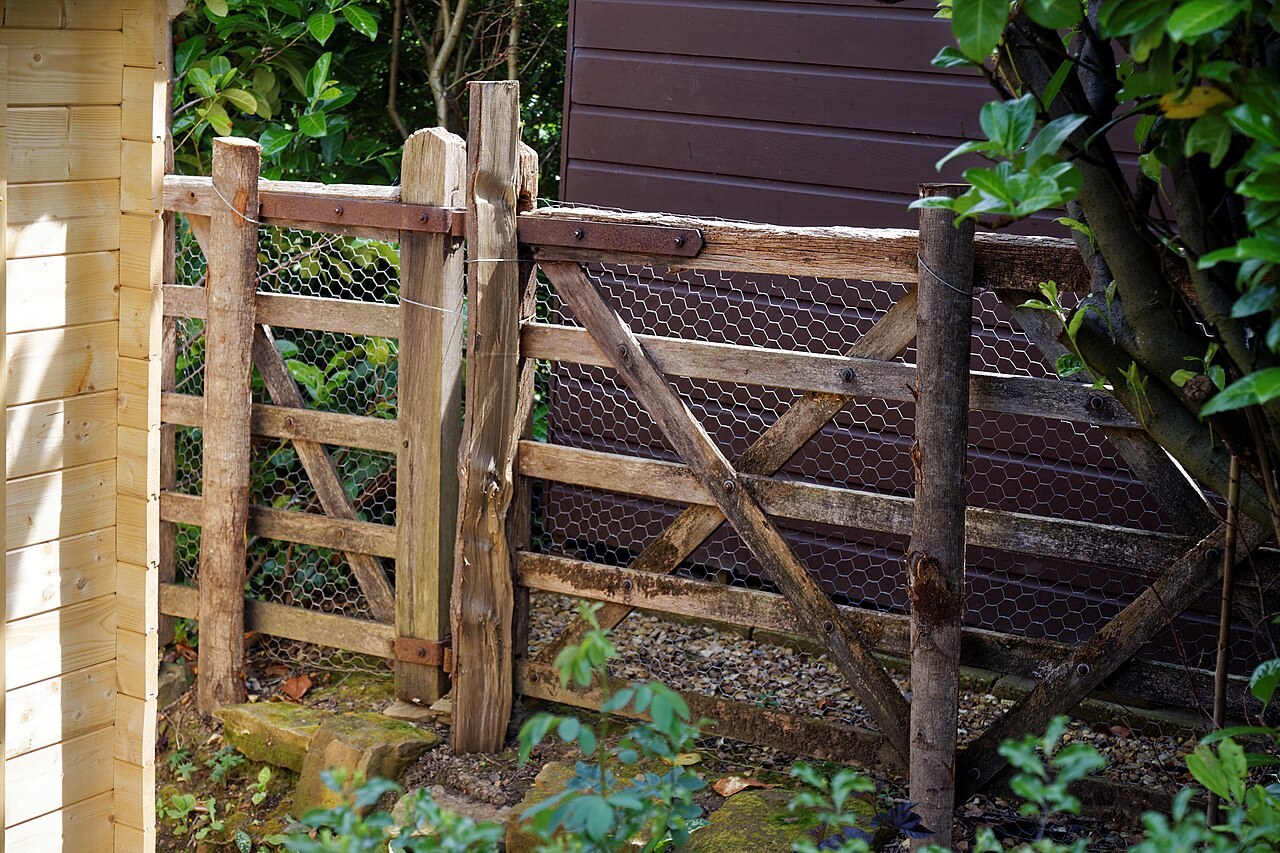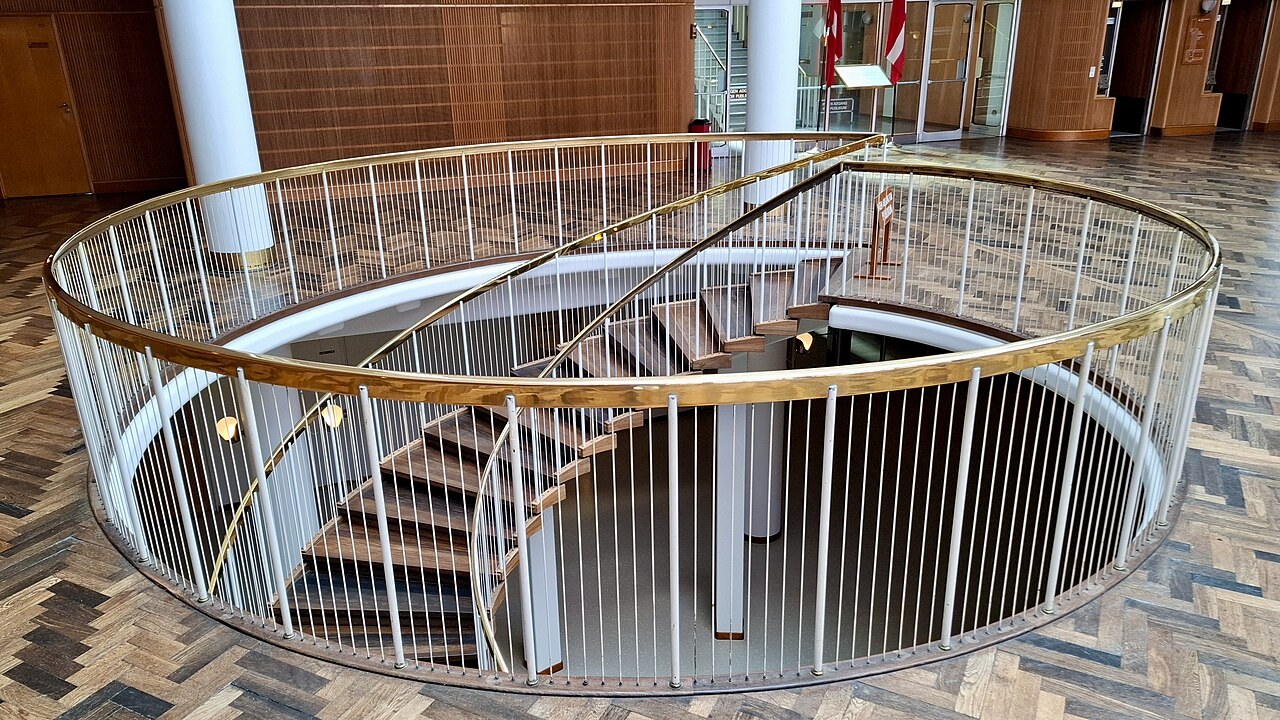
Property pictures often show attractive rooms while leaving out the stairs connecting them. Those connections matter for heavy luggage, young children and limited mobility. Check the entire journey instead of relying on a statement that one bedroom is on the ground floor.
Check three journeys in sequence
Start at the parking space or public pavement. Follow the entrance, bedroom and bathroom in your mind. One entrance step can make an otherwise level property unsuitable. Ask about balcony and garden access if those spaces matter to your visit. A brief sequence of current photographs is more useful than isolated room pictures.
Ask about construction rather than labels
For stairs, request the number of steps, their shape and available handrails. Open risers and tight turns are difficult to judge in wide-angle pictures. For thresholds, obtain the actual height. Do not assume that a supplied child gate suits your child’s age or can be fitted at both locations where it is needed.
Plan a realistic arrival
Divide luggage into manageable loads when stairs cannot be avoided. After settling in, keep circulation routes clear of bags and shoes. Introduce children to unfamiliar changes of level and supervise them according to their development. An improvised ramp or repositioned furniture does not establish suitable access. Prefer a property with clear information if essential measurements remain unknown.
Common questions
Is “low barrier” enough information?
Not for a specific access decision. Obtain individual confirmation of the obstacles and measurements relevant to you.
Should I check only indoor stairs?
No. Include the approach, entrance and routes to shared facilities in the enquiry.