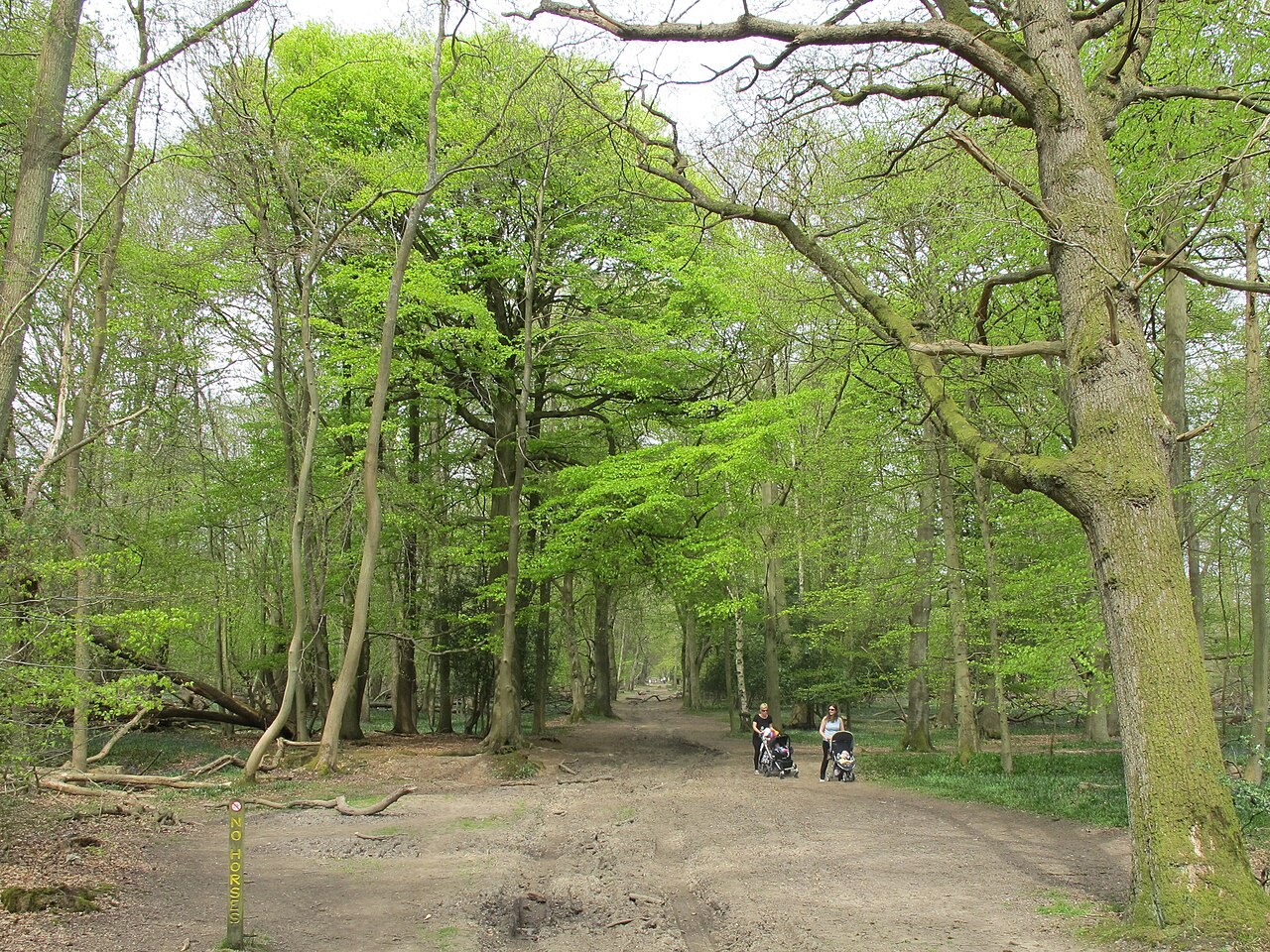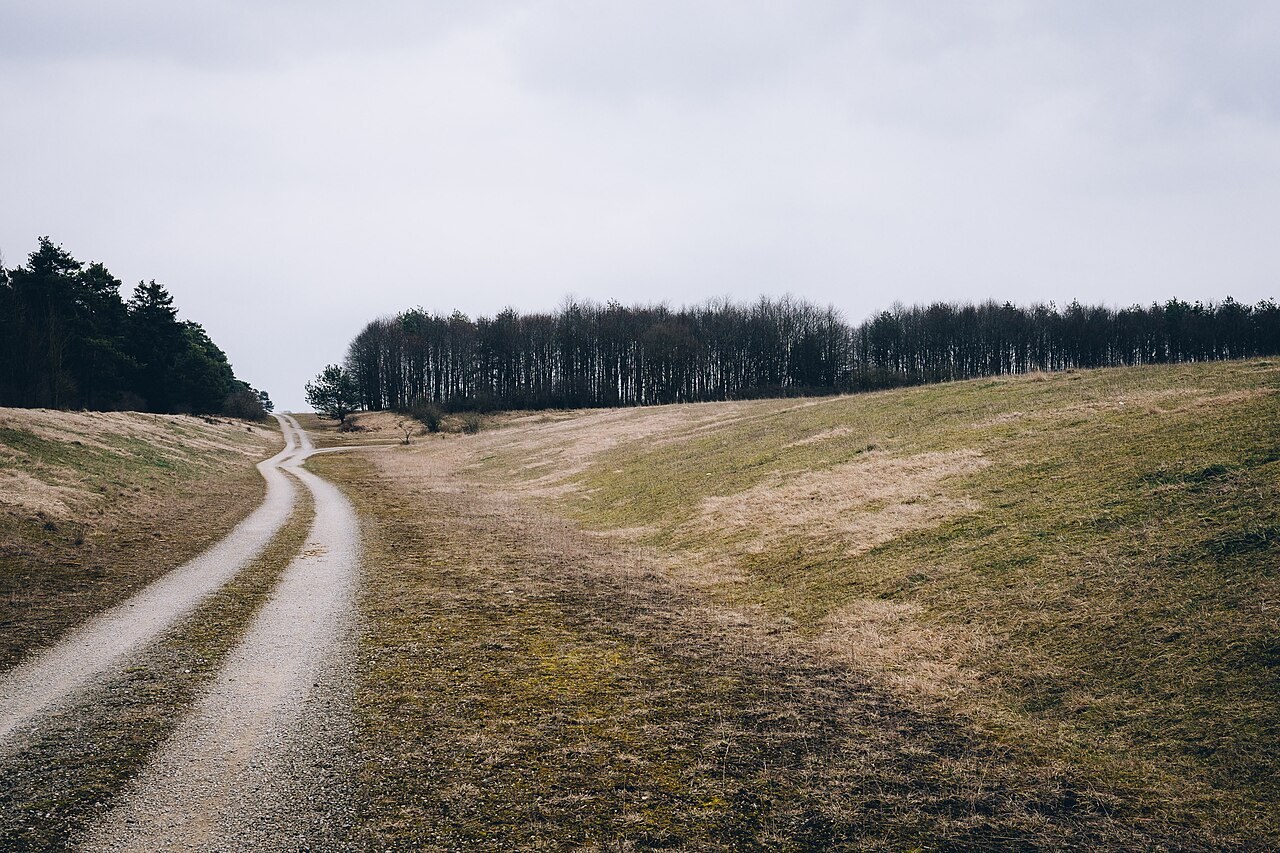
A toddler experiences a woodland path differently from an adult. A puddle or unusual bark may matter more than the lake at the end. Choose a short outing that you can reduce without disappointment. The purpose is time outside together, rather than proving how far the family can walk.
Begin with the return journey
Decide what happens if your child becomes tired. Can you comfortably retrace the route? Is there a suitable carrier, or a path that genuinely works with your pushchair? An attractive destination does not make a long outward journey shorter.
Do not assume an adult walking pace. Children walking independently stop repeatedly. Make decisions from their mood, the weather and the energy left for returning, rather than holding to a target decided at breakfast.
Offer discoveries and clear boundaries
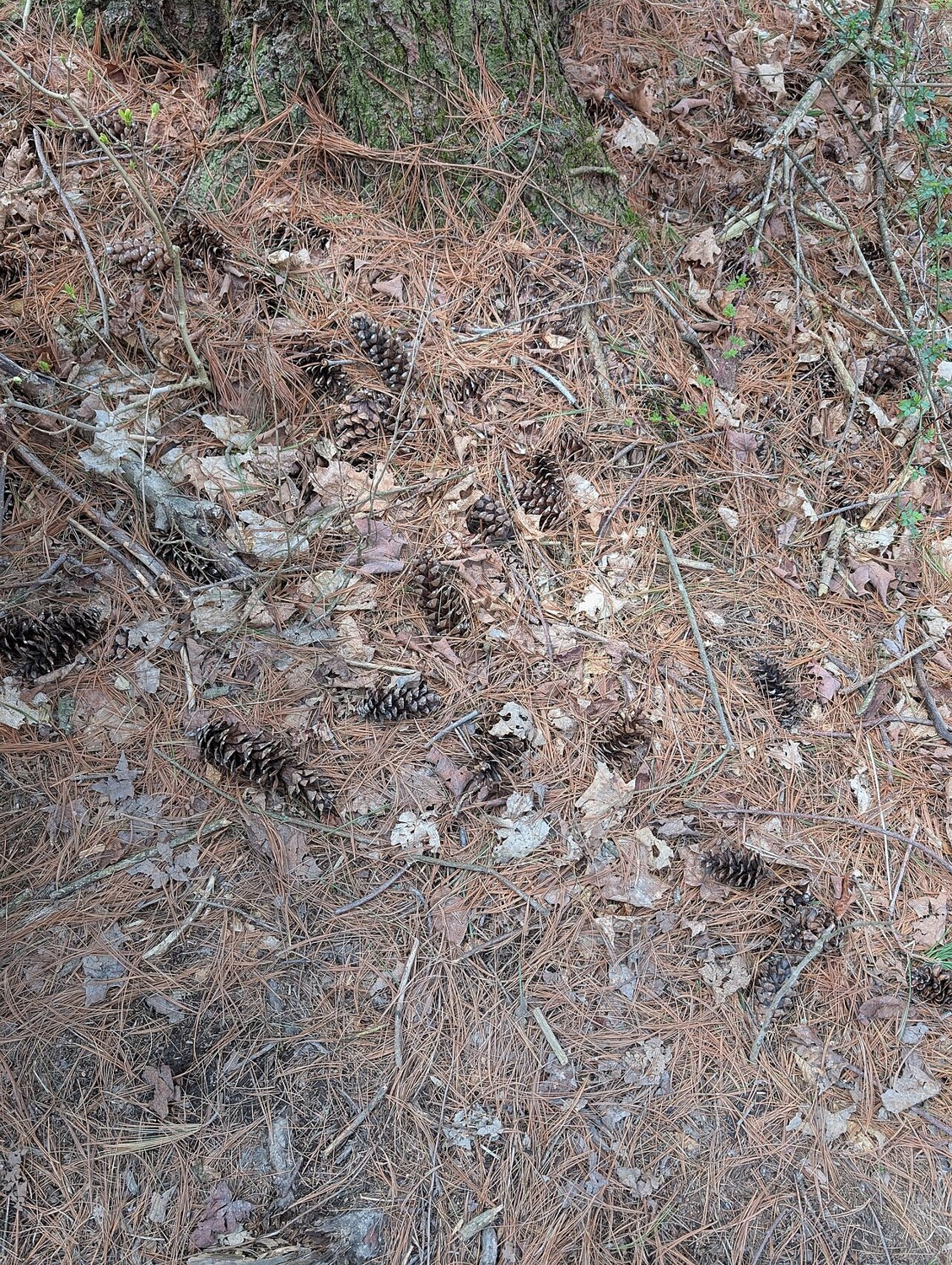
A leaf with holes, moving shadows or a passing bird provides conversation without equipment. Questions such as “What looks different here?” leave room for the child’s observations. You do not need to identify every animal and plant.
The nature park asks visitors to stay on marked paths and leave wildlife undisturbed. Demonstrate this: watch instead of chasing, and observe from the path instead of entering undergrowth. Beside water, clear and immediate supervision is an additional responsibility.
Keep useful items easy to reach
A drink, small snack, spare clothing and rubbish bag usually help more than a large activity kit. Pack frequently needed items near the top. A pause is easier when you do not need to unpack everything.
Finish with some energy in reserve. The same circuit may be interesting tomorrow because your child notices different things. That is a holiday rhythm of its own, rather than a missed sightseeing opportunity.
Common questions
Does the walk need a planned game?
No. The surroundings often provide enough interest. A gentle prompt helps when it does not replace the child’s curiosity.
What if the child wants to return?
Consider tiredness, cold or hunger and shorten the outing. Having considered the return route beforehand makes this easier.