Barnim Nature Park contains different habitats, including woodland, water and wetlands. That does not predict which animals you will see on an individual walk. Treat observation as an opportunity along the route rather than a guaranteed objective. The nature park visitor code asks people to respect animals and remain on intended paths. This provides a clear framework for the outing.
Wait instead of following
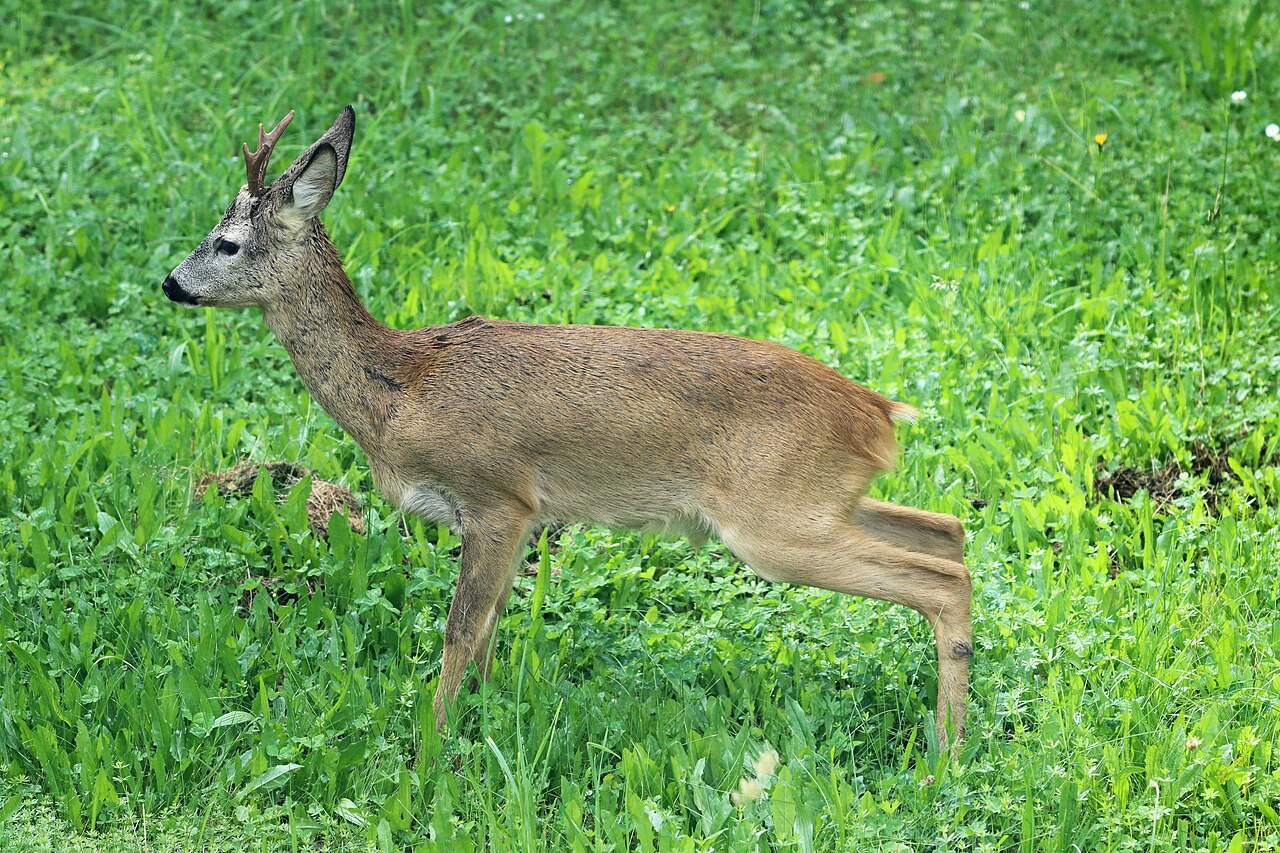
If you notice an animal, stop quietly somewhere suitable. Give it room to move away. Do not follow into undergrowth or towards a difficult shoreline. Binoculars help reveal details without needing to reduce the distance for a photograph.
Speak quietly and allow others in your group time to look. When the animal disappears, the observation has ended. Repeatedly approaching a hiding place prolongs the encounter for you, but may deprive the animal of an undisturbed retreat.
Do not turn habitats into photographic scenery
Reeds and other shoreline plants form part of a habitat, rather than an obstruction in front of the camera. The nature park presents the bittern, for example, in connection with its reed-rich habitats. This promises neither a sighting nor a reason to search for nests or passages through the vegetation.
Avoid luring animals or bringing food for them. A chance animal beside the path need not approach for the walk to have been worthwhile. Tracks or movements seen from a distance can remain interesting observations even when you cannot identify the species confidently.
Manage dogs and groups thoughtfully
The nature park visitor code requires dogs to be leashed. Keep yours close during an unexpected encounter too. Hoping for good obedience does not replace this requirement. Collect dog waste and take the filled bags away with you as well.
Explain to children before leaving why running after an animal is not observation. A small quiet group has more opportunity to look together. Continue the walk afterwards instead of occupying an undisturbed area for a prolonged period.
Common questions
Can I be certain of seeing a species at a particular lake?
No. A description of suitable habitats does not guarantee an encounter. Observe whatever becomes visible from the permitted path.
May the dog run loose briefly for a photograph?
The nature park visitor code requires a lead. A photograph is no reason to let a dog run into other animals' habitat.