A woodland walk is easier to enjoy when every junction does not require reconsidering the whole day's plan. Choose a described tour or a clearly limited section from the Barnim Nature Park walking overview beforehand. Note the precise starting point and check the return. A lake or village name alone is not a sufficiently accurate navigation aid.
Understand the map before leaving
Examine the route calmly first: where does it begin, which clear junctions occur and how will you recognise the turning point? Compare the tour description with the map you intend to use. Resolve any disagreement before the outing.
Save the information you need in a form available without establishing another data connection. Open and test that view while still at your accommodation. Saving a web address is not the same as having an available map or a downloaded description.
Stop briefly at junctions
Stop somewhere appropriate before comparing the screen with the route ahead. Keep out of the immediate line of people passing. Walking while looking at a telephone makes it easier to overlook the ground or a waymark.
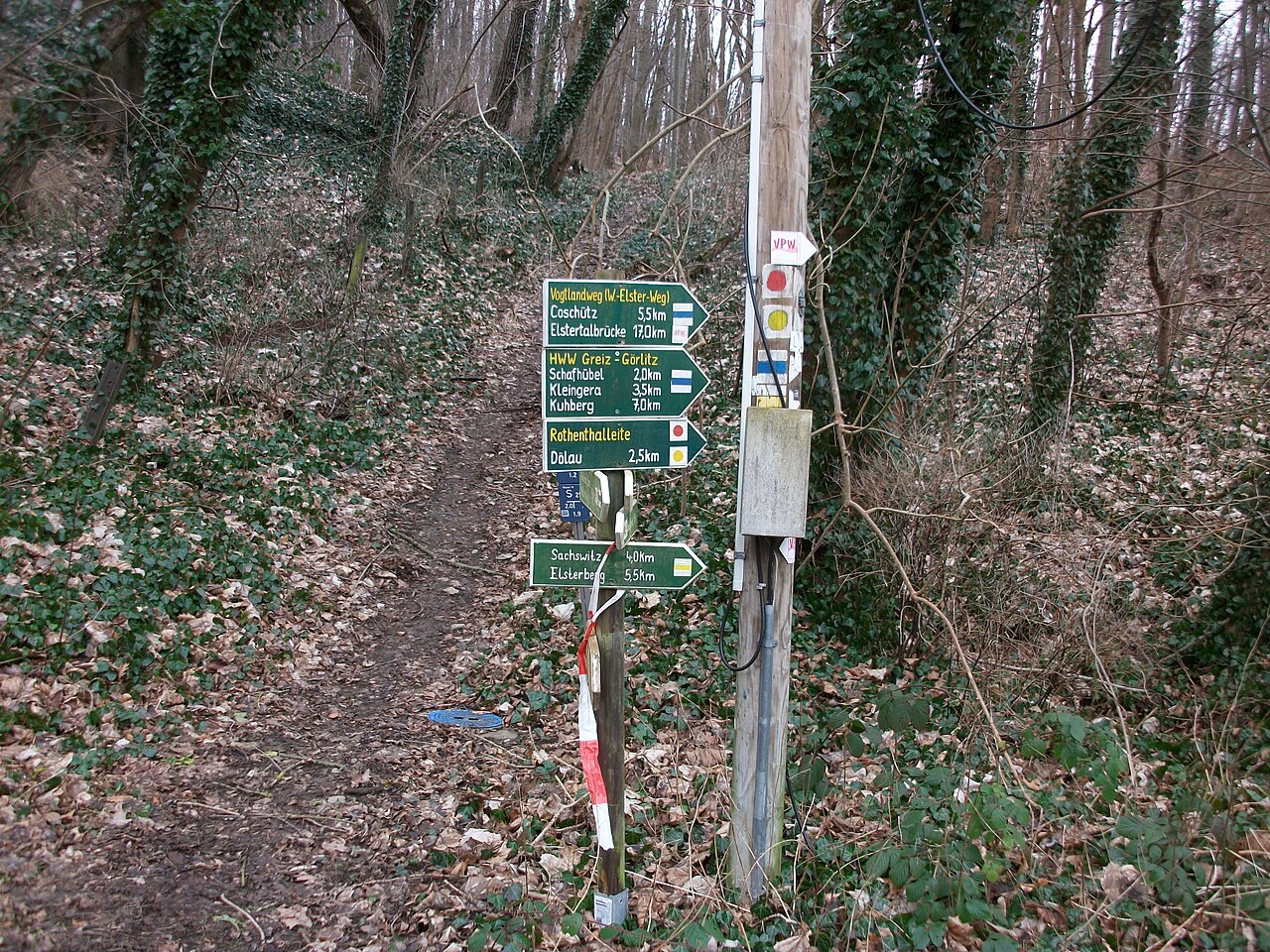
Compare several recognisable details instead of relying on a general direction. A similar junction may occur elsewhere. Water visible between trees or a single distinctive tree does not replace an unambiguous match with the map.
Do not resolve uncertainty with shortcuts
If the route becomes unclear, stop first and review the last point you identified confidently. Discuss the decision with the group. An already familiar permitted path may offer a better return than an assumed connection to a nearby road.
Respect local notices and closures even when a digital map shows a through route. Avoid crossing woodland off the path to reach a line on the screen. Maps assist planning, but they do not override restrictions applying at the location.
Common questions
Is saving the destination lake's name on my telephone enough?
No. A walk needs a suitable precise starting point, an intended route and an understandable way back.
What should I test before using information without internet access?
Check that the map and description are genuinely saved and can be opened. A link alone may still require a data connection.